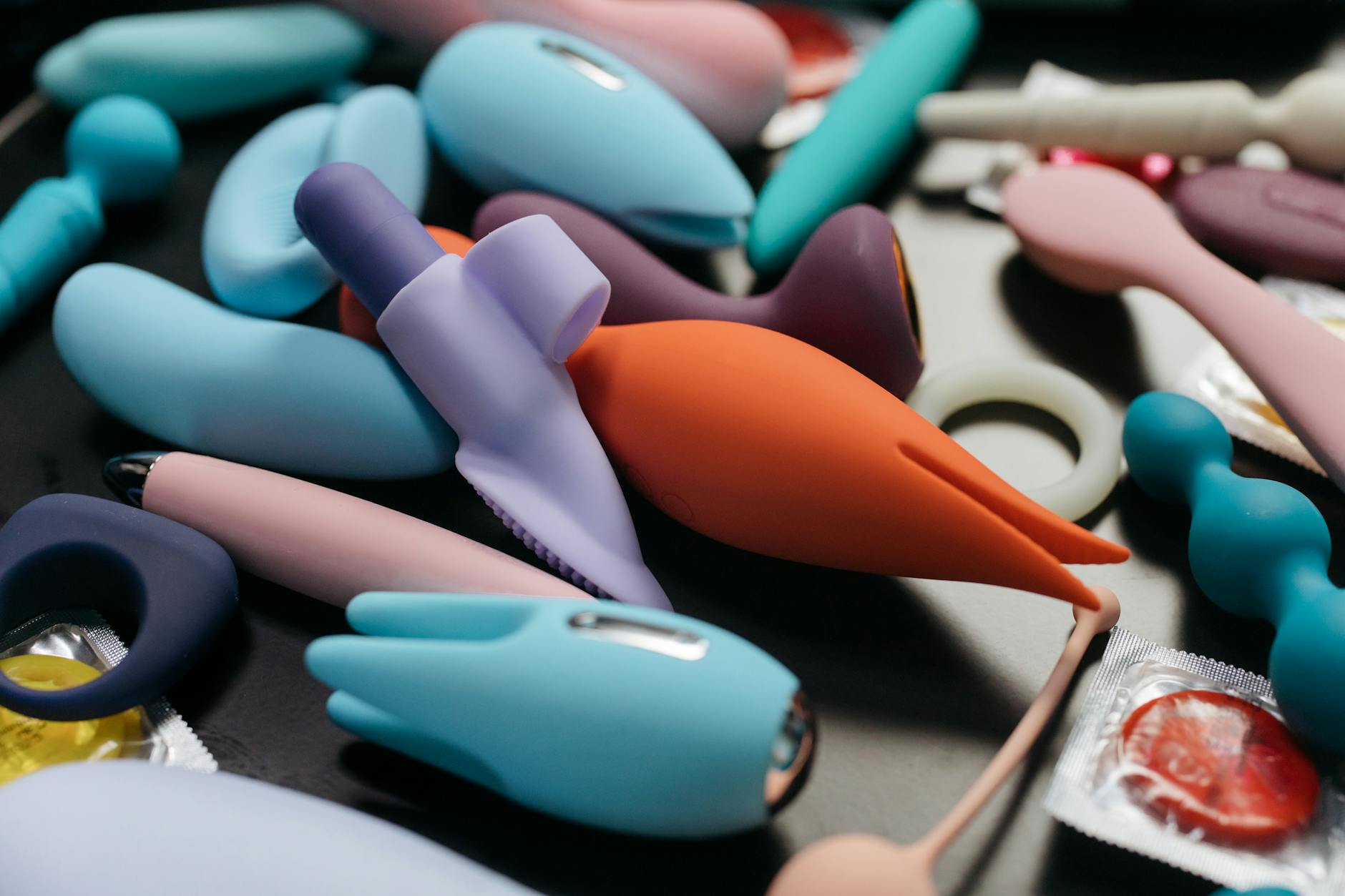
Hormonal shifts change sensation, not desire. Here's what changes with age, why suction-based lemon clitoral vibrators work better for midlife bodies, and what you actually need to know.
Your pleasure didn't disappear at 40. Your clitoris didn't retire. What actually happened is more nuanced, and honestly, a lot more interesting than anyone tells you. Tissue thickness shifts. Lubrication patterns change. The time it takes to build arousal lengthens. These are physiological facts, not character flaws. And they matter because they change which tools work best for your body right now.
That's why so many people discover lemon vibrators and lemon sexual toys in their 40s and 50s and think, "Where was this the whole time?" The answer isn't that you've changed beyond pleasure. It's that your body responds differently to certain kinds of stimulation, and suction-based devices like lemon clitoral vibrators work with that change, not against it.
Estrogen doesn't just affect fertility. It maintains the thickness and elasticity of vaginal and vulval tissue. When levels drop, tissue thins. That sounds alarming until you understand what it means for pleasure. Thinner tissue isn't weaker. It's more sensitive. The nerve endings are closer to the surface. Direct, high-intensity vibration that felt amazing at 25 can feel raw or overstimulating at 45.
This is where the lemon sucker design becomes genuinely brilliant. Rather than direct vibration, suction creates a gentle, rhythmic pressure that stimulates the entire clitoral structure, not just the surface. Think of it like the difference between a jackhammer and a massage. Both can feel good. One just works better with sensitive, responsive tissue.
Blood flow also changes. Arousal takes longer because the vascular response isn't as rapid. Your clitoris still swells, still becomes more accessible. It just needs more time and often a bit more intentional warm-up. Most people assume this is a problem. It's actually an invitation to slow down, which most of us desperately need anyway.
I've worked with hundreds of people navigating pleasure in their 40s, 50s, and beyond. The ones who find fulfillment usually make one crucial shift: they stop trying to recreate what worked before and start experimenting with what works now.
Lemon clitoral vibrators succeed because they acknowledge three realities of the midlife body. First, they don't rely on raw vibration power. Second, they create sustained stimulation without the intensity fatigue that higher-frequency devices can trigger. Third, they're gentler on tissue that's genuinely more responsive, which means you need less to achieve more.
The suction pattern also tends to produce a different kind of orgasm for many people. Instead of a sharp peak, it builds into a rolling, longer-lasting sensation. Some describe it as more full-body, less localized. Others say it feels like a chain reaction rather than a spark. None of these are better or worse. They're just different from what you might have experienced before. And that difference is often why people come back to lemon suction toys again and again.
Here's something I've learned after decades of coaching couples through midlife transitions: sometimes the body changes are real, but the biggest shift is permission. Permission to stop performing. Permission to explore your own pleasure without filtering it through what a partner expects or what you think you "should" like.
Many people spend their 20s and 30s calibrating their pleasure to someone else's rhythm or timeline. By 40, you might discover that you actually want something completely different. A lemon vibrator isn't just a toy. It's a way to have a conversation with your body that nobody else is directing. That alone changes everything.
There's also the matter of reduced distraction. Hormonal cycles settle or stop. Fertility anxiety lifts. Midlife often means fewer obligations to other people's schedules. All of that mental space you get back? It becomes available for actual pleasure. The same nervous system that's calmer in most ways can also be more present during intimacy.
If you're used to vibrators and lemon clitoral vibrators feel different, here are the adjustments I recommend.
Start with water-based lubricant, always. Not because anything is wrong with you. Thinner tissue genuinely benefits from extra moisture. Water-based lubes won't damage silicone toys and feel natural against the body. Silicone-based alternatives feel richer but limit your toy options down the road.
Build in longer warm-up time. Twenty or thirty minutes instead of ten. This isn't a penalty. It's a feature. Extended foreplay means more blood flow, more arousal, and better tissue response. You're not compensating for dysfunction. You're engaging the full system.
Start at lower intensities and work up. Lemon sexual toys often have multiple patterns and speeds. Begin with pattern 1 or 2 and explore from there. Your sensitivity is genuine. Why override it by forcing yourself into a setting that feels harsh?
Explore your pelvic floor intentionally. Kegels help maintain tone, which many people assume they need. But the other half of pelvic floor health is learning to fully relax those muscles. Chronic tension actually decreases sensation and orgasm intensity. Breathing exercises and deliberate relaxation often help more than more clenching.
Not every shift in pleasure response is hormonal. Midlife often stacks multiple transitions. Kids leave home. Relationships evolve. Career stress peaks. Grief shows up. All of that affects desire and sensation just as much as estrogen does.
If you're noticing that pleasure has genuinely vanished, not just changed, it's worth examining the whole picture. Are you sleeping? Stressed? Disconnected from your partner or from yourself? Sometimes the answer isn't a new toy. It's therapy, or rest, or a difficult conversation that's been waiting.
That said, if pain appears during sex where there wasn't pain before, that's worth a clinical conversation. Genitourinary syndrome is real and highly treatable. A good provider can address it in weeks. You don't have to push through discomfort in the name of normalcy.
I want to be specific about why hello nancy lemon vibrators and other lemon sucker designs resonate with midlife bodies. The mechanism is gentler. The sensation is more sustained. The pattern of stimulation doesn't fatigue the nerves the way high-frequency vibration can. And maybe most importantly, they feel different enough that they're not asking your body to perform the way it used to. They're inviting you into something new.
This isn't marketing. It's physiology. When you know what's actually happening in your body, you can make choices that work with it instead of against it.
It genuinely changes, which is different from decreasing. The clitoris doesn't lose nerve endings. Tissue thickness changes how those nerves respond to stimulation. Some people find they're more sensitive, not less. The key is matching stimulation type to what your body is responding to right now.
Absolutely. In fact, many people try traditional vibrators first and find them too intense, then discover lemon sexual toys and wonder why they didn't start there. Suction-based stimulation is gentler and often feels more intuitive than buzzing vibration.
Most vulval anatomy responds to suction. The clitoris is the clitoris. That said, how it feels and what intensity you prefer is deeply individual. The best approach is to treat exploration as an experiment, not a test you can pass or fail.
Completely normal. Different doesn't mean worse. Many people report that post-40 orgasms feel deeper, longer, or more full-body. The type of device you use influences the sensation, which is why switching to lemon clitoral vibrators often shifts the experience in surprising ways.
If pain is absent, you don't need to see someone unless you want to. That said, a provider who specializes in sexual health can be valuable if you want to understand whether hormonal changes are contributing, or if other interventions might help. It's optional, but useful information.
Traditional vibrators rely on frequency and intensity. Lemon suction devices use rhythm and pressure. For tissue that's thinner or more sensitive, suction often feels more comfortable and produces more reliable pleasure. It's not that one is better. It's that suction works better with how your body is responding right now.
Midlife isn't the end of pleasure. It's a recalibration. Your body isn't broken. It's different. And that difference, when you lean into it instead of fighting it, often opens doors you didn't know existed. Lemon vibrators exist because people figured out that suction works better for these midlife bodies. That's not a compromise. That's actually paying attention.
Ready to explore what your body responds to now? Start with understanding what stimulation type feels right. If you're curious about what tools might help, our guide on finding your perfect fit walks through options without pressure. Or if you have specific questions about your body or how to approach this transition, we're here to help. Reach out anytime at /contact.