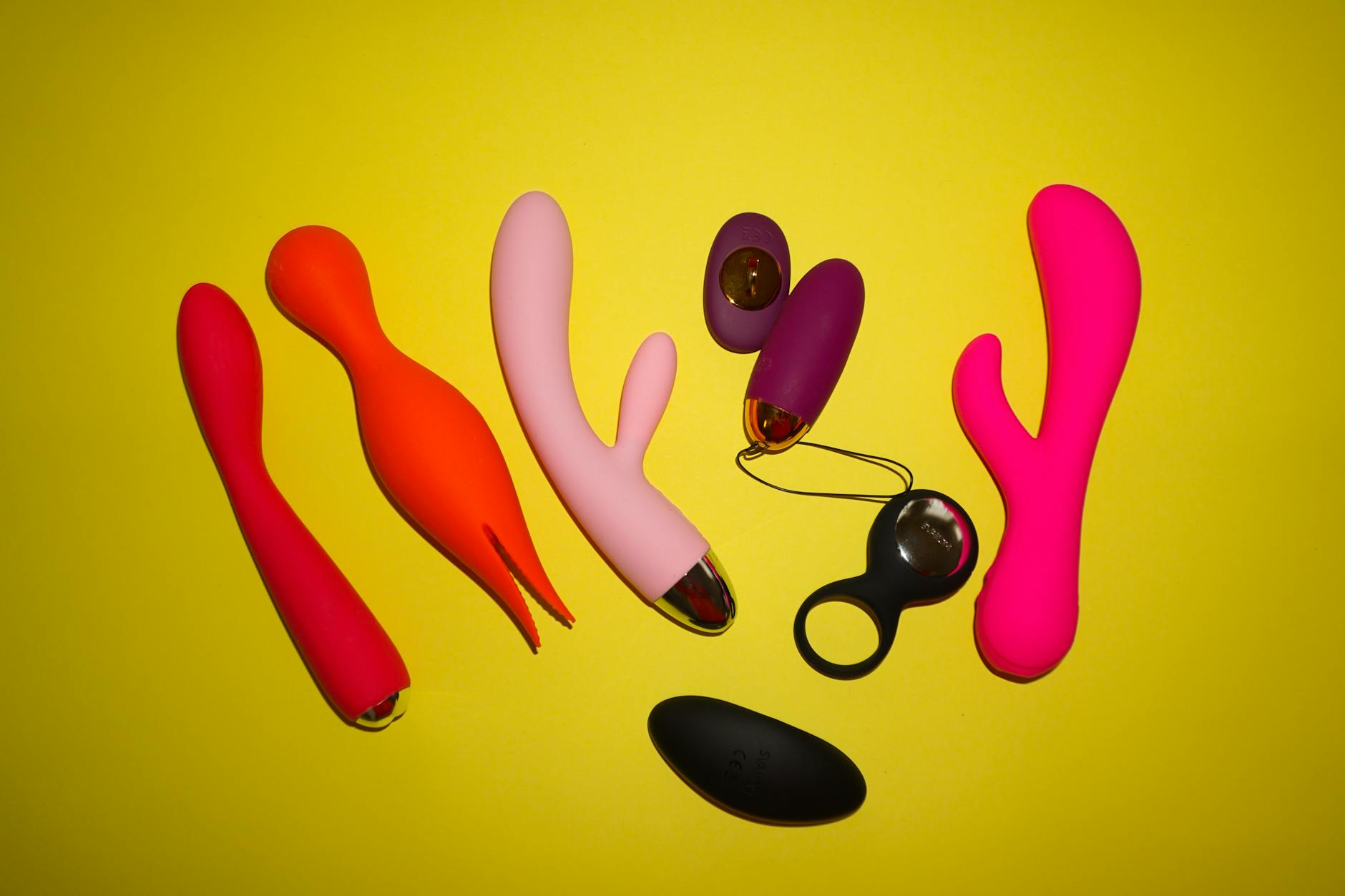
Your lemon vibrator works fine. Your body is just speaking a different language depending on where you are in your cycle. If you've noticed that orgasms take 15 minutes to build in week one and only 3 minutes in week two, you're not imagining it. You're experiencing the direct result of hormonal shifts, and understanding this changes everything about how you use your lemon sexual toys.
The frustrating part is that most people assume their body is the problem. It's not. The problem is that we're taught to expect a flat, consistent experience from our pleasure, which is biologically impossible.
Your hormones fluctuate dramatically across a 28-day cycle, and they directly impact how quickly your nervous system can reach the threshold for orgasm. This isn't subtle. This is a major shift.
During the follicular phase (from your period to ovulation), estrogen is climbing. Higher estrogen makes the vaginal tissue thicker and more sensitive. Your clitoral nerve endings are more easily stimulated. Blood flow to your genitals increases. Everything is essentially turned up. For many people, this is when lemon clitoral vibrators feel most responsive. You might reach orgasm faster, feel more intense sensations, and experience multiple orgasms more easily.
Then ovulation happens, and you get a testosterone surge on top of the estrogen peak. This is often the sweet spot for arousal, pleasure, and orgasm intensity. Many people report their fastest, easiest orgasms during this window, typically 12 to 16 days into their cycle.
After ovulation, during the luteal phase, progesterone rises and estrogen drops. This shift changes how your nervous system responds to stimulation. The clitoral tissue becomes less engorged. The vaginal lining becomes thinner. Your pelvic floor might feel tighter or more held. For many people with a lemon sucker or any clitoral vibrator, this phase requires longer warm-up, more patience, and different stimulation patterns to reach orgasm.
Progesterone is a sedative hormone. It's not bad. It's actually necessary for sleep quality, mood stability, and metabolic health. But it does slow your nervous system response to external stimuli. Your body is working harder to reach arousal because your baseline arousal state is lower.
This isn't a flaw in your lemon vibrator. It's not a sign that you're broken or losing sensitivity. It's evidence-based physiology. Studies on genital arousal show clear differences in clitoral blood flow and engorgement across the cycle. The luteal phase consistently shows slower arousal patterns and sometimes lower peak sensations.
What many people notice is that the suction mechanism of lemon adult toys becomes more relevant during the luteal phase. Because direct clitoral stimulation might feel too intense on thinner, less engorged tissue, the gentler suction pattern of a Hello Nancy lemon vibrator can actually feel more comfortable and effective. You're not fighting your body's response. You're adapting your technique to your physiology.
Menstrual phase (days 1–5). Hormones are at their lowest. Many people feel less interested in stimulation, though some find orgasms deeply grounding during their period. If you're using a lemon vibrator, start on lower patterns and expect longer warm-up time. Patience matters here.
Follicular phase (days 6–13). Estrogen is rising. Your clitoral tissue is engorging. Many people feel increased sensitivity and arousal. Your lemon sexual toys might feel incredible right now. This is a good time to experiment with higher patterns or shorter foreplay. Your body is primed.
Ovulation (days 14–16). Peak estrogen plus testosterone surge equals the easiest orgasm window for most people. Lemon vibrators might feel almost too intense at higher settings. You could have multiple orgasms easily. This is your high-performance window.
Luteal phase (days 17–28). Progesterone rises, estrogen dips. Arousal becomes harder. Orgasms might feel shallower or more focused. Your lemon vibrator still works beautifully, but you'll need longer warm-up, consistent patterns, and possibly different positioning. You're not losing pleasure. You're accessing it differently.
The biggest mistake people make is using the same technique every day and then feeling frustrated when their lemon vibrator doesn't work the same way. Your body isn't the problem. Your approach is.
Map your cycle for one month. Track where you are and note how your arousal feels. Start on day one and write down how many minutes it takes to reach orgasm, which pattern on your Hello Nancy lemon sucker feels best, and how intense the orgasm feels. After one full cycle, you'll have baseline data. This removes the mystery.
Adjust your warm-up time. During the follicular and ovulatory phases, you might need only 5 to 10 minutes of foreplay before using your lemon clitoral vibrator. During the luteal phase, budget 20 to 30 minutes. This isn't weakness. This is adaptation.
Change your patterns. During peak arousal windows, try the higher-intensity patterns on your lemon vibrator. During the luteal phase, stick with lower patterns and let the suction do the work rather than aggressive vibration. Your nervous system is already tired. Gentler often feels better.
Use lubrication strategically. During high-estrogen phases, your natural lubrication is usually abundant. During the luteal phase, you might benefit from external lube even if you normally don't need it. Thinner tissue and slower arousal sometimes need that extra slip.
If you're with a partner, this information becomes even more valuable. Many couples interpret cycle-based changes in arousal or orgasm speed as relationship problems. "They're not as into it." "Something's wrong." Neither is true. Something is just biochemically different.
Telling your partner where you are in your cycle can prevent entire arguments. "This week, I need longer warm-up, but I'm also interested in exploring pleasure differently" gives them concrete information and removes the sting of perceived rejection. It also shifts the dynamic from performance pressure to collaborative problem-solving.
Some partners love this framework because it gives them permission to slow down or try new approaches without feeling like something is failing. You're not failing. You're communicating.
I recommend tracking your cycle for one or two full months to understand your baseline. After that, most people don't need to keep detailed notes. You'll feel the shift intuitively and adjust your approach naturally.
If you're using a cycle-tracking app, great. If not, the simple version is noting roughly when you ovulate (usually day 14) and planning your approach accordingly. You don't need precision. You need awareness.
One warning: if tracking your cycle starts feeling like a source of anxiety or you're checking it obsessively before every experience, dial it back. The point is liberation, not pressure. Your lemon vibrator will work beautifully whether you're tracking or not. The tracking is just a tool to help you understand yourself better.
Many people worry that cycle-based changes in arousal speed mean they're losing sensitivity overall. This is almost never true. What's actually happening is that the pathway to arousal is shifting. During the luteal phase, you might need a different trigger or a longer buildup. You're not numb. You're just oriented differently.
Desire also fluctuates with your cycle, and this is normal and healthy. You're not supposed to want sex with the same intensity 365 days a year. Your body is designed to have windows of higher and lower interest, and this is linked to fertility, energy, and survival. Fighting this is exhausting. Working with it is freeing.
Your lemon adult toys, whether you're using a Hello Nancy lemon sucker or another brand, work beautifully across all these phases. Your job isn't to make them work harder. Your job is to adjust your expectations and your technique to match where your body is right now.
Yes, significantly. Hormonal fluctuations change clitoral blood flow, tissue sensitivity, and nervous system responsiveness. Most people notice measurable differences in arousal speed and orgasm intensity across their cycle, particularly between the follicular and luteal phases.
During the luteal phase, progesterone rises and estrogen drops. This reduces clitoral engorgement and slows nervous system responsiveness. The tissue also becomes thinner and more sensitive, sometimes making direct vibration feel too intense. The suction mechanism of a lemon vibrator often feels more comfortable during this phase.
Yes. During high-arousal phases (follicular and ovulation), try higher patterns and shorter warm-up. During the luteal phase, increase warm-up time, use lower patterns, and let suction do more of the work than vibration. This isn't about your vibrator changing. It's about matching your technique to your physiology.
Absolutely. Understanding how suction stimulation works differently from traditional vibration helps you adapt across your cycle. The gentle nature of a lemon suction vibrator often feels better during lower-arousal phases when direct stimulation is too much.
Completely normal. Orgasm latency (the time from stimulation to climax) shifts significantly across the cycle. Research shows luteal-phase orgasms take longer than follicular-phase orgasms for most people. This is physiology, not a malfunction.
Cycles vary. If you're on hormonal birth control, your cycle might be flatter and show smaller fluctuations. Some people don't notice these shifts at all. If you're not seeing a clear pattern after three months of tracking, you might just not experience significant cycle-based changes, and that's fine. Your lemon vibrator still works beautifully.
Your body isn't broken. Your lemon clitoral vibrator isn't failing. You're just experiencing the reality of living in a hormonally fluctuating body, and once you understand that, everything becomes easier. Map your cycle. Adjust your approach. Give yourself permission to need different things in different weeks. Your pleasure is worth that attention.
If you'd like to talk through your specific experience or get personalized advice on pleasure and intimacy, reach out at /contact. I'm here to help.