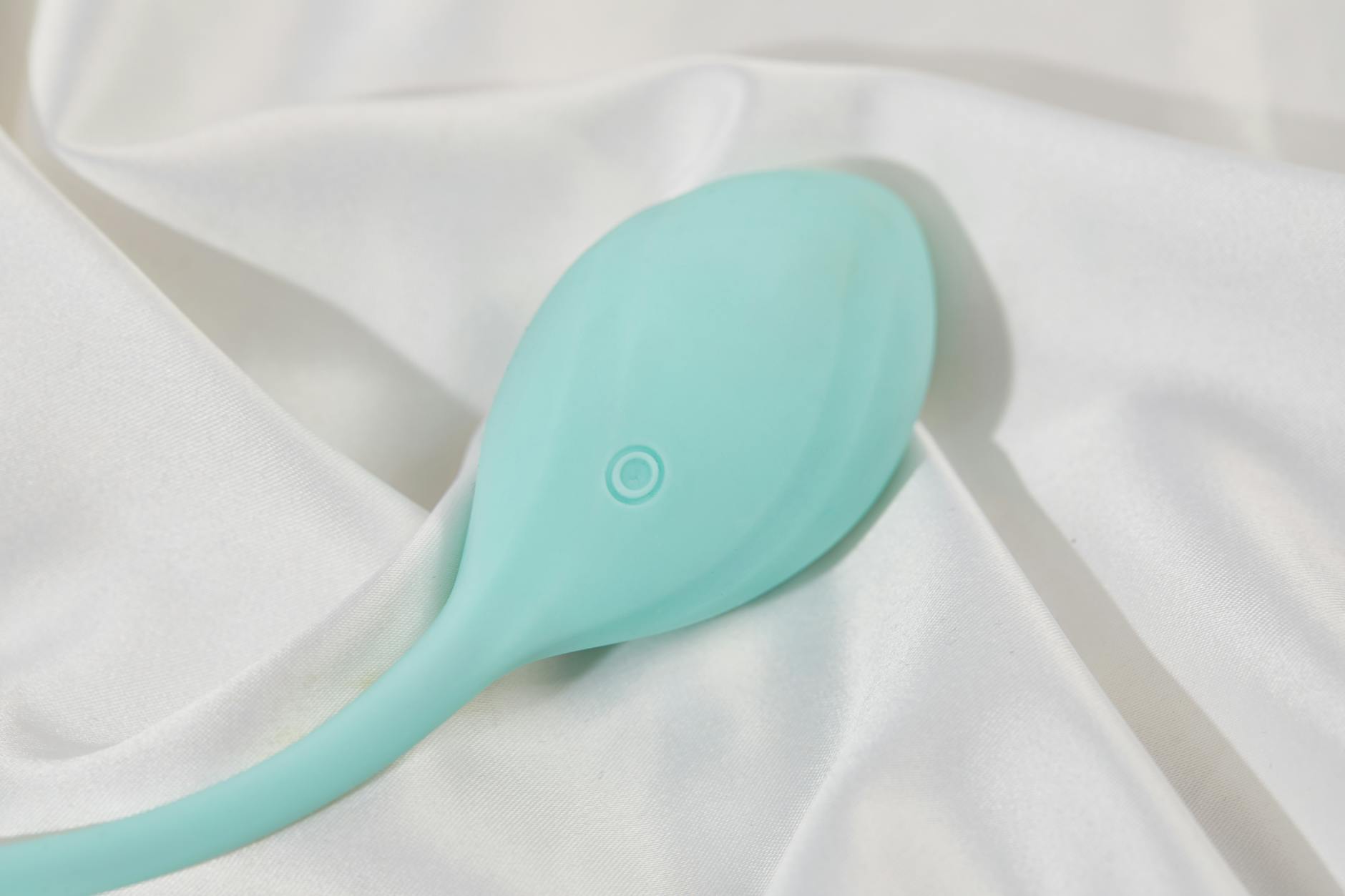
How Lemon Vibrators Can Help Reconnect With a Partner With Low Libido
When desire has mismatched, lemon sexual toys create a bridge back to pleasure. A therapist on how to introduce them, use them together, and rebuild desire as a team.
One partner wants sex. The other doesn't. Not really. And after months or years of that gap, the wanting partner often stops asking. The not-wanting partner feels relieved and guilty at the same time. Meanwhile, the intimacy that used to exist gets filed away somewhere between "too hard to fix" and "maybe this is just how it is now."
I've worked with hundreds of couples stuck in this exact pattern. What I've learned is that low libido isn't always about attraction or commitment. It's often about nervous system activation. One partner has become touch-avoidant because sex has become pressure. The other has become tentative because rejection stings. And neither of them knows how to break the cycle without creating more awkwardness.
This is where tools like lemon vibrators can actually help. Not as a fix. As a reset button.
Let me separate something important: I'm not talking about one partner "using" a toy while the other watches. That's often where couples go wrong with toys, and it rarely helps the disconnection.
I'm talking about touch. Presence. Different stimulation.
When one partner has low desire, often their nervous system has learned that partnered sex equals pressure or discomfort. A lemon vibrator introduces something their body has never felt before in that context. It's new. It's not about performance. It doesn't require them to "get ready" or "be in the mood" the same way.
For the partner with higher desire, it reframes the entire experience. Instead of trying to convince or convince their partner into arousal, they're learning what actually works. They're collaborating on pleasure rather than chasing it. That shift alone reduces a shocking amount of resentment.
Lemon adult toys like the Lem work particularly well here because they use gentle suction stimulation rather than intense vibration. If someone's desire has dropped, their nervous system is often hypervigilant to sensation. Suction feels less invasive than traditional vibration. It gives the body permission to respond gradually.
This matters more than you think. If you've been rejected sexually, bringing home a toy can feel like weaponized criticism. Like you're saying "your body doesn't work for me."
Here's how I recommend doing it.
First, have the conversation outside the bedroom. Over coffee, on a walk, in the kitchen. Not when clothes are coming off. Say something like: "I've noticed our sex life has changed, and I don't want to keep trying the same thing over and over when it's not working. I've been reading about tools that might help us figure out what actually feels good to you right now. Would you be willing to explore that together?"
Notice what you're not saying: "you're broken," "we need to fix this," or "I'm frustrated." You're saying "let's experiment together."
Second, research together if they're open to it. Look at options as a team. Lemon vibrators come in different intensities and patterns. Let them have input on which one feels less intimidating. This is about restoring agency, not introducing another form of pressure.
Third, when you do introduce the toy, frame it as "let's see what this does for you," not "let's use this during sex." Sometimes the first exploration is mutual masturbation without performance pressure. Sometimes it's one partner using it while the other is present but not participating yet. There's no script. The point is consent and curiosity.
Once you've introduced the toy and there's basic comfort, here's what typically helps couples restart desire:
Start with one partner only. The lower-desire partner uses the lemon clitoral vibrator while the higher-desire partner is present. Not inside them, not necessarily even touching them. Just... there. This accomplishes two things. First, the lower-desire partner's nervous system learns that pleasure can happen in a partnered context without the pressure of reciprocity. Second, the higher-desire partner gets to witness their partner experiencing genuine pleasure. That's often the emotional reset the relationship needs.
Go slow with patterns. Most lemon sexual toys come with multiple vibration patterns and intensities. Start with the gentlest one. Let arousal build over 10 to 20 minutes instead of 5. This teaches the body that there's nowhere to rush to. That calms both nervous systems.
Introduce touch gradually. After a few sessions of the lower-desire partner solo, add light partnered touch. A hand on their thigh. Kissing. Nothing that requires them to reciprocate. This is about retraining the body to associate partnered presence with pleasure, not pressure.
Let pleasure be the goal, not sex. The trap most couples fall into is introducing the toy and then immediately trying to have intercourse with it. Don't. Let your lower-desire partner experience multiple orgasms from the lemon clitoral vibrator if that's what happens. Let the higher-desire partner get turned on watching. That arousal doesn't need to go anywhere. Sometimes it just exists. And that's the whole point.
There's actual neuroscience here. When one partner has experienced repeated rejection, their dopamine response to sexual cues drops. Their brain has literally learned that sex equals disappointment. A lemon vibrator doesn't rewire that overnight. But introducing novel sensation in a low-pressure context starts to change the neural pathway.
For the higher-desire partner, it does something else. It replaces resentment with curiosity. Instead of "why don't they want me," the thought becomes "what does actually work for them." That's a fundamental mindset shift in couples therapy terms. It's the difference between adversaries and teammates.
If one partner's low libido showed up suddenly, there might be medical stuff. Hormone changes, medication side effects, untreated depression. Those need professional attention before a toy will help.
If the low libido came with relationship hurt, infidelity, or unresolved conflict, a lemon vibrator isn't a band-aid that works. You need an actual therapist. Sex toys are great reconnection tools, but they can't heal betrayal or resentment on their own.
But if the low libido is the slow fade that happens to lots of long-term couples, where the desire just... quieted... and now you're stuck in parallel lives? That's exactly where lemon adult toys can help restart the conversation.
Here's what I tell couples in my office: introducing a toy is not the real work. The real work is admitting that what you've been doing isn't working, and being willing to try something different.
That vulnerability often matters more than the actual vibrator.
But the vibrator gives you permission to have that conversation. It's concrete. It's not about feelings or blame. It's about sensation and curiosity. And for couples stuck in the low-libido cycle, that reset can be exactly what's needed to remember why they wanted each other in the first place.
No, but it can restart the conversation. Low libido usually points to something deeper: resentment, stress, health changes, or a nervous system that's learned to avoid touch. A lemon clitoral vibrator is a tool for reconnection, not a cure. Think of it as permission to explore pleasure differently, not a substitute for actually addressing what caused the desire gap.
That's a real fear, and worth addressing directly. Try framing it as exploration, not replacement. "I want to find what actually feels good for both of us. This is for us, not instead of you." Often, watching a partner experience genuine pleasure with a tool helps that partner feel wanted in a new way.
The key is timing and phrasing. Not during foreplay. Use "I" statements about the relationship, not "you" statements about their body. "Our sex life has changed and I miss feeling connected" lands differently than "you never want me." Bring the tool as a curiosity, not a solution. "I read about this thing that might be fun to try together."
Completely normal. Most long-term couples experience desire mismatch at some point. What matters is how you respond to it. Ignoring it creates resentment. Pressuring creates avoidance. Exploring it together creates possibility.
Both work, depending on what your partner feels comfortable with. Some couples find that lemon sexual toys enhance partnered sex once they've reconnected. Others prefer using them separately. There's no rule. Follow your partner's comfort level and check in regularly about what feels good.
That varies widely. Sometimes the shift is psychological and happens within a few sessions. The lower-desire partner experiences pleasure without pressure, and something softens. Sometimes it takes longer because there's deeper relationship hurt to work through. The toy is a tool, not a timeline.
Let's be real. Reconnecting after desire has faded takes honesty, patience, and willingness to try something new. A lemon vibrator can help open that door. But you're the ones who have to walk through it together.