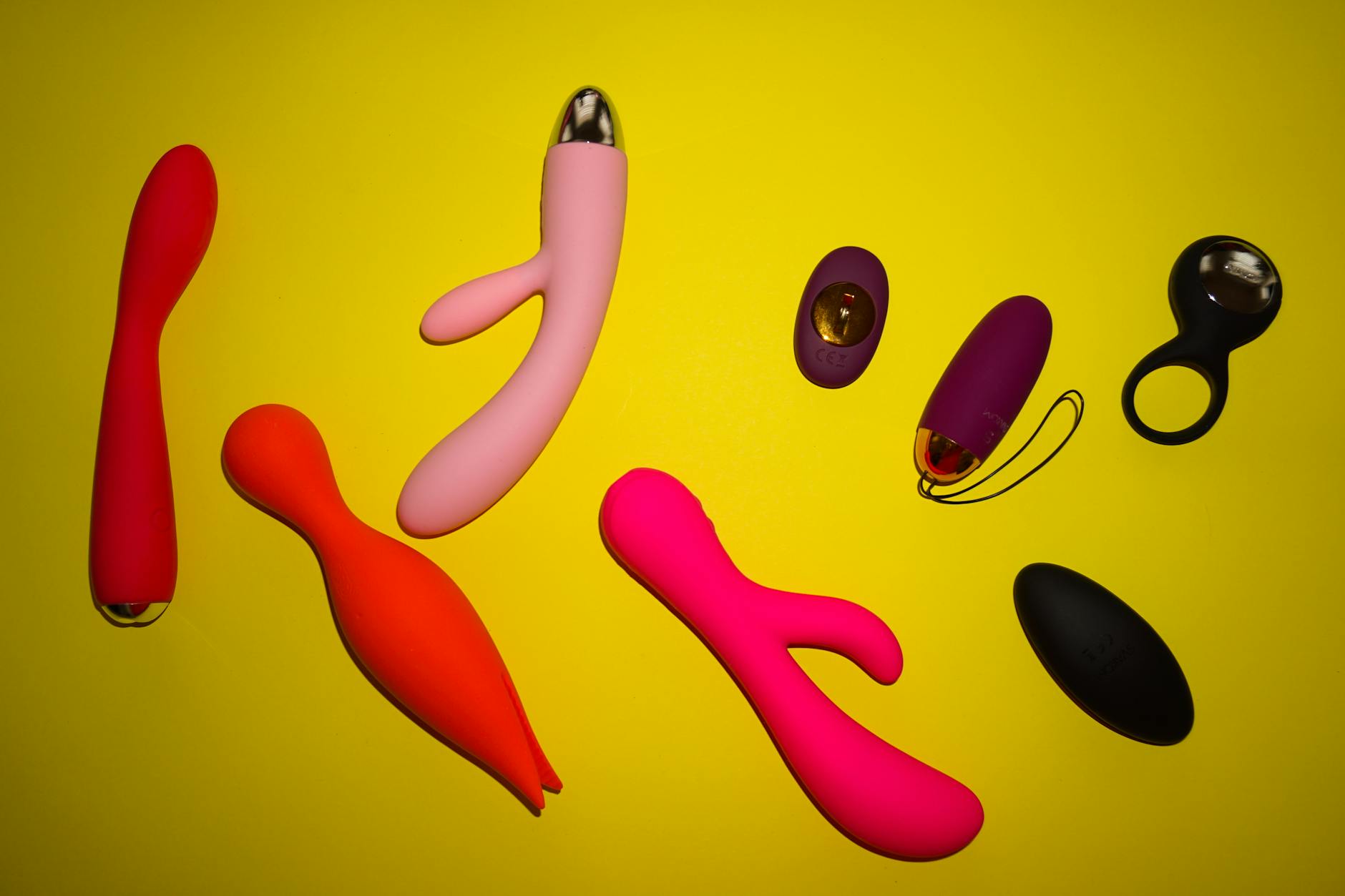
Using a lemon vibrator regularly does not cause permanent numbness. Full stop. Your clitoris is not a battery that runs down. It's not a nerve that burns out. What you might experience instead is something clinically different, something normal, and something completely reversible.
I hear this worry constantly from people who've discovered they actually like pleasure and want more of it. The fear goes something like: "If I use my lemon vibrator three times a week, won't I eventually stop feeling anything?" The answer involves understanding how your nervous system actually works.
True desensitization in the medical sense means permanent loss of sensation. Nerve damage. That's not what happens with vibrator use, no matter how often you use a lemon clitoral vibrator. What does happen is something called habituation, and it's entirely different.
Habituation is how your nervous system filters information. When you wear a ring all day, your brain stops registering the pressure on your finger. When you live near train tracks, your brain learns to ignore the noise. It's adaptation, not damage. Your nervous system basically says, "Okay, this input isn't a threat, I'm filing it under 'familiar.'" The sensation doesn't disappear. Your awareness of it does.
With vibrators, habituation can mean that the same pattern or intensity feels less novel after repeated use. You might find yourself wanting a stronger sensation, or a different pattern, or a longer warm-up time. That's adaptation, not numbness. And it's completely fixable.
First, there's the comparison trap. Early in vibrator use, many people experience intense, surprising pleasure. That newness itself is neurologically significant. Your brain is lighting up because this is new information. After a few months of regular use, the intensity of that "oh my god" feeling naturally settles. That's not numbness. That's the difference between your first kiss and your thousandth. One feels more novel. Neither one means anything bad is happening.
Second, some people conflate "harder to orgasm" with "going numb." These are different things. If you've been using the same lemon vibrator at the same intensity several times a week, your body may adapt and require a slightly different stimulus to reach orgasm. Change the pattern. Take a week off. Use it at a lower setting first. Your sensitivity returns immediately.
Third, there's the anxiety loop. You start worrying you're going numb, you use the vibrator less, you feel less pleasure overall, and now you're more convinced something broke. It hasn't.
Let me be specific here because this matters. There is no peer-reviewed evidence that regular vibrator use causes permanent clitoral desensitization. None. There are anecdotal reports of temporary habituation (the newness wearing off), but no studies documenting lasting nerve damage from vibrator use.
What we do know from neuroscience: the clitoris has roughly 8,000 nerve endings. These don't deplete or burn out. They adapt. When you use any stimulation repeatedly, your brain learns to modulate its response. This is neural plasticity, and it's actually protective. Your body gets smarter about filtering noise and focusing on signal.
Where people get confused is conflating vibrator use with masturbation frequency. Some older research suggested that very high masturbation frequency (like, several times daily) could correlate with temporary difficulty orgasming. But that research had massive confounds. Were people fatigued? Anxious? Dehydrated? The research couldn't isolate vibrator use as the cause.
Lemon clitoral vibrators use suction and pulsing, not pure vibration. This matters because suction stimulates nerves differently than mechanical vibration does. It creates a gentler, more gradual buildup of sensation. This actually makes habituation less likely, not more, because you're engaging the nervous system through a different mechanism each time.
When you switch between patterns on a lemon vibrator, you're giving your nervous system varied input. Variety is the antidote to habituation. Use pattern 1 one day, pattern 3 another day, or combine suction with gentle vibration. Your nervous system stays engaged.
If you use any vibrator at maximum intensity for extended periods without break, you might experience temporary irritation or minor tissue sensitivity. This isn't desensitization. It's friction. Using a water-based lubricant solves this entirely. Take breaks between sessions. Your tissue heals quickly.
If you're using vibrators to the point of physical exhaustion or pain, you've moved past pleasure into compulsion. That's a sign to check in with yourself about what's driving the behavior, not a sign that vibrators are dangerous. Many things become unhealthy at extremes. This is about sustainable pleasure, not maximum output.
The other thing I want to name: some people worry that vibrators will make partnered sex feel less satisfying. That's a different concern than desensitization. Your body can absolutely enjoy different types of stimulation. Many people find that learning what you like with a vibrator actually makes partnered sex better, because you know what works for you and can communicate it. That's a feature, not a bug.
If you want to use your lemon clitoral vibrator regularly without experiencing any sensation drift, here's what works.
Rotate patterns and intensities. Most lemon vibrators have multiple settings. Use them. Change it up. This keeps your nervous system engaged and prevents the boredom that masquerades as numbness.
Take occasional breaks. You don't need to take weeks off. But a few days between sessions, or a week once a month, gives your nervous system a reset. When you come back, the sensation feels fresh again.
Vary your warm-up time. Sometimes start slow and build. Sometimes jump to a higher intensity quickly. The variation matters more than the consistency.
Use lube. It reduces friction, increases comfort, and actually intensifies sensation by creating a smooth interface between your body and the vibrator. Water-based lube works great with silicone toys.
Notice your patterns. If you find yourself needing higher intensities to feel the same sensation, that's adaptation, not damage. It's completely normal. You can dial back for a week and reset, or you can stay with higher intensities. Your body isn't broken either way.
Honestly, I think a lot of this anxiety comes from an older cultural message that says: "If you enjoy this too much, you'll break it." Or: "Pleasure this easy can't be good for you." That's not science. That's guilt dressed up as concern.
Your clitoris wants to be stimulated. You deserve regular pleasure. Using a lemon vibrator three times a week, or five times a week, or daily, doesn't damage anything. It might change what feels novel over time. That's not damage. That's adaptation.
The real question isn't "Will this make me numb?" It's "What does sustainable pleasure look like for me?" For some people that's twice a month. For others it's several times a week. Both are fine. Neither one damages your body.
If you experience pain during or after vibrator use, that's not desensitization. That's friction, infection, or tissue irritation. Stop, use lube, and if it persists, check in with a gynaecologist. That's a real signal worth listening to.
If you find that you're using vibrators compulsively, to the point of physical exhaustion or at the expense of other parts of your life, that might be worth exploring with a therapist. That's not about the vibrator being bad. It's about understanding what need you're meeting.
If you notice numbness that doesn't reverse within a week of taking a break, that could indicate a circulation issue or a neurological concern unrelated to the vibrator. See a doctor. It's rare, but it's worth ruling out.
Otherwise, use your lemon vibrator as often as feels good. Your body knows how to protect itself. And if sensation starts to feel routine, you already know the fix. Change the pattern. Take a break. Try something new.
Addiction in the clinical sense means compulsive use despite negative consequences, loss of control, and withdrawal symptoms. That's not how vibrators work. You might develop a strong preference for vibrator stimulation over other types, and that's just knowing what you like. Preference isn't addiction. If you're concerned about your relationship with pleasure in general, a therapist is a useful sounding board, but the vibrator itself isn't the issue.
Frequency changes how your nervous system responds, not whether the vibrator works. Daily use might lead to faster adaptation to a particular pattern. Weekly use might mean each session feels fresher. Neither is better. It's about what your life and body need. Some weeks you'll want more pleasure. Some weeks less. That variation is healthy.
Yes, absolutely. If you're struggling to orgasm with a partner or through other stimulation, a lemon clitoral vibrator can actually help you learn what works, which you can then communicate or replicate. How to Know if a Lemon Vibrator Is Right for Your Body Type walks through finding the right device for you. Using a vibrator now doesn't mean you'll always need one. Many people use them to bridge a gap, then find they've learned something about their body in the process.
Maybe. But that's information, not damage. If you discover through solo play that you like a certain rhythm or intensity, that's valuable data for partnered sex. You can communicate it, or you can use the vibrator during partnered sex. Many couples do. How to Use a Lemon Vibrator With Your Partner covers this in depth. Knowing what you want is not a bad thing.
If you've experienced adaptation to a particular sensation, taking a break for three to seven days usually resets things. Your nervous system is incredibly responsive. The sensation you thought you lost will come roaring back. If you've experienced actual tissue irritation, a similar timeline applies once you've addressed the friction. The clitoris heals fast.
No. What you learn about your own body benefits every relationship you have. You're not "using up" pleasure. You're building literacy about what feels good. That's a gift you give yourself and any future partner. Ignore the myth that women should save their pleasure for someone else. Your pleasure is yours first.
The bottom line: lemon vibrators don't cause lasting numbness. They're tools for pleasure, and like all tools, they work best when you use them with intention and self-awareness. Your body is resilient. Your pleasure matters. Use your vibrator as much as feels right, vary it up when it gets routine, and trust that your nervous system knows how to take care of itself.