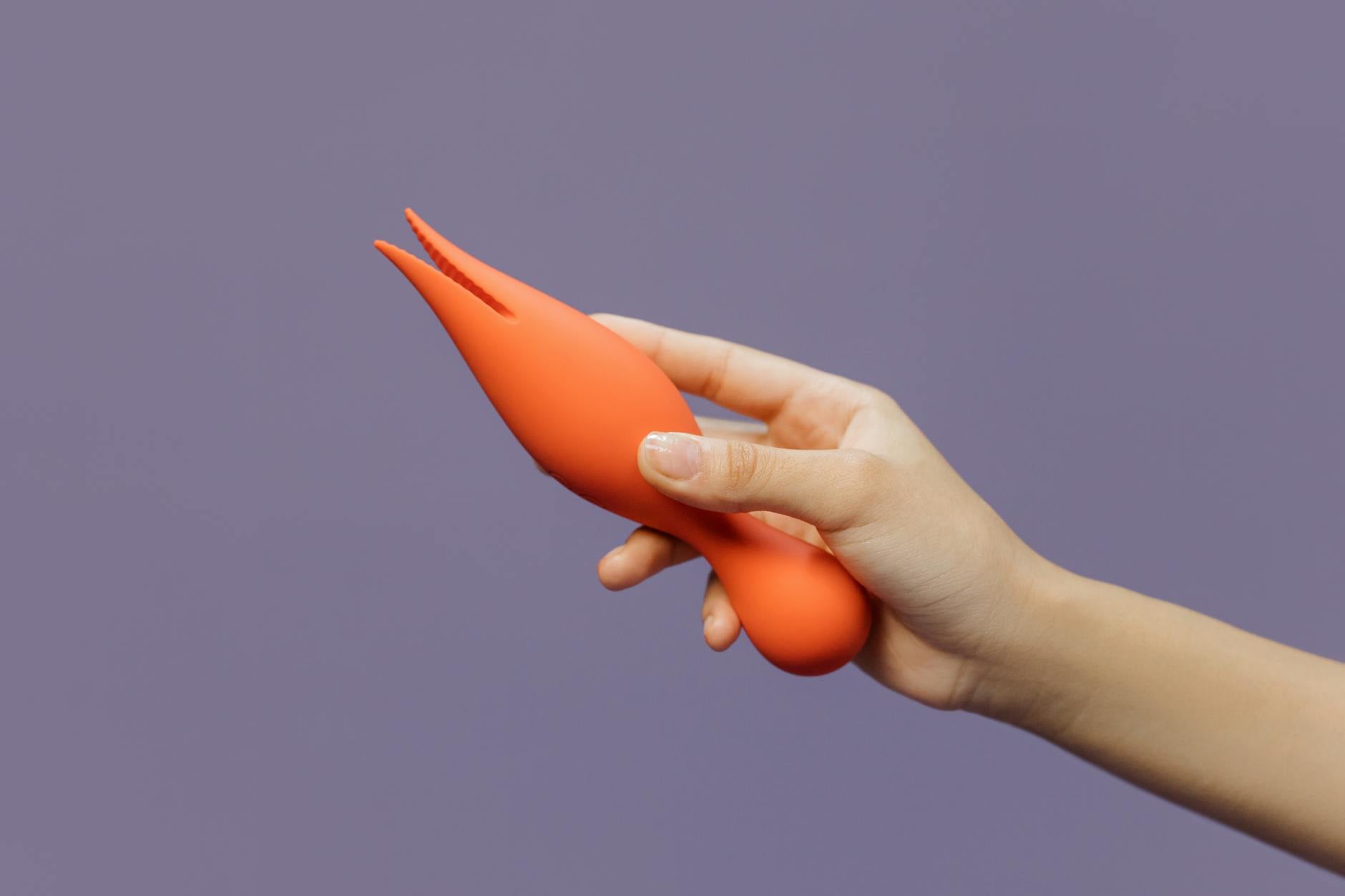
How to Use a Lemon Vibrator With Your Partner After a Long Break From Sex
When months or years have passed, reintroduction takes intention. A relationship coach on talking about it, timing it right, and why lemon clitoral vibrators make the conversation easier.
There's a specific silence that happens in long-term relationships. Sex stops for a reason, or no reason, and then months pass. Then a year. Then you both pretend it's fine because naming it means confronting something harder: that you've drifted, or that someone is hurting, or that the logistics and emotional weight of restarting feel impossible.
Here's what I see in my practice: most couples don't need permission to have sex again. They need permission to have a conversation about having sex again.
A lemon vibrator, weirdly, can be that permission slip. Not because a toy fixes the distance. But because it shifts the conversation from "Are we broken?" to "What would feel good for both of us?" That's a fundamentally different question, and it opens a door.
There's no single reason couples stop having sex. Life happens. Stress happens. One partner is exhausted from caregiving, work, or mental health struggles. Someone feels disconnected. Someone feels rejected. The longer the gap stretches, the more it becomes a third presence in the relationship. Not talking about it doesn't make it invisible.
But here's what research actually shows: couples who restart physical intimacy after a long absence report stronger emotional connection afterward, not weaker. The reintroduction process itself, done thoughtfully, often rebuilds trust more than continuing on autopilot would have.
The trap is thinking you need to jump straight back to sex. You don't. You need to rebuild the conversation first.
Don't do this during sex, or right before bed, or during an argument. Find a neutral moment. Daytime. Sitting side by side, not facing each other directly (research shows people relax more when they're not making sustained eye contact).
Start with curiosity, not judgment. "I've noticed we haven't been intimate in a while, and I miss that. I'm not angry. I'm just noticing it, and I want to understand what's going on for you."
Then listen. Really listen. Don't solve. Don't defend. Don't even respond immediately. You're gathering information about what's actually blocked: fatigue, disconnection, touch aversion, physical pain, anxiety, low desire, feeling unseen.
Once you know the actual block, you can work with it. If it's fatigue, it's a different conversation than if it's emotional distance. If it's physical pain, that's medical. If it's anxiety about performance after the gap, that's also different.
This is the part that shifts energy. Once you've named the gap and surfaced what's underneath it, you can say something like: "I was reading about couples restarting intimacy, and a lot of people use toys to ease back in. It takes the pressure off me to perform, and it focuses on what actually feels good. Would you want to try that?"
A lemon clitoral vibrator removes the script. You're not aiming for traditional sex. You're aiming for pleasure, which is lower stakes and higher reward. The suction sensation is gentler than friction, which matters if someone's nervous or hasn't been touched in a long time. Your pelvic floor doesn't have to perform. Your body doesn't have to do anything it's not ready for.
And because it's focused on pleasure, not penetration or specific outcomes, it's easier for both partners to stay present. Your nervous system can actually relax into it.
Don't make it weird by pretending it's not happening. Don't sneak a toy into bed. Do this intentionally.
"I'd like to try using a toy together. Nothing complicated. Just exploring what feels good. Are you willing to try that with me?"
Set a low-pressure timeline. You're not aiming for orgasm your first time back. You're aiming for presence. Some couples spend two or three sessions just touching each other, or just using a toy externally while being close. That's not less sex. That's smarter sex.
Use lube. Even if you think you don't need it, lube reduces friction and makes everything feel less clinical. Water-based works with silicone toys.
Start with your partner not inside you. Start with them close to you, watching, touching your arm or leg. Intimacy is a spectrum. Sex is one point on it. There are a hundred other kinds of closeness you've probably forgotten about.
Here's what catches people off guard: restarting sex after a gap is emotionally intense. You might feel vulnerable. You might cry. You might feel so much sensation that you're overwhelmed. Your partner might feel rejected, or guilty, or nervous. These are all normal.
Before you start, talk about what happens if either of you gets emotional. "If I tear up, it doesn't mean I don't want this. It means I'm feeling a lot." That agreement matters.
You also might not orgasm the first few times. That's fine. You're recalibrating. Your body is remembering how to open up. That takes time.
Sometimes one partner is ready and the other isn't convinced. If you're the one pushing for restart, you have to respect your partner's timeline. Pushing through reluctance creates resentment, which widens the gap further.
What you can do: talk about what would make them feel safe. Is it the absence of performance pressure? The guarantee that it won't lead to sex if they don't want it? More conversation first? A toy that's less intimidating? Some partners relax faster with a lemon vibrator because it's less penetrative and more about external pleasure.
If your partner is dealing with depression, pain, trauma, or medication side effects, they might need professional support. That's not a failure. That's gathering the right tools.
Don't expect to jump back to your previous frequency. You're rebuilding from scratch. Once a week, or twice a month, or whatever feels sustainable for both of you is the right frequency. Consistency matters more than intensity.
Keep talking. "What felt good?" "What didn't?" "Want to try something different?" The conversation doesn't end after restart. It deepens.
And here's something most couples miss: pleasure expands after a long gap. Because you're both more present, and you're both less stuck in whatever pattern you were in before the break. The sex after a gap can actually be better than it was before.
Not if you frame it correctly. You're not choosing the toy over your partner. You're adding a tool that makes pleasure more accessible for both of you. Your partner might even feel relief that the pressure to perform is off. Most partners feel closer, not less close, because the conversation about pleasure is finally happening.
Watch for genuine yes. Genuine yes means they're engaged, they're asking questions, they're touching you. Going along with it looks like compliance, short answers, not much enthusiasm. If it's the second one, pause and ask: "Are you actually into this, or are you doing this for me?" You want both of you choosing it.
Most first times are awkward. You're relearning each other's bodies. You're nervous. Awkward is normal. Awkward is progress. Give it three times before you decide whether it works for you both.
Whatever makes you both feel safer. Lights off is fine. Soft lighting is fine. Some couples feel more connected with light because they can see each other. This is a conversation to have before you start.
There's no timeline. When both of you feel ready. For some couples that's the third session. For others it's weeks. The goal isn't penetration. The goal is connection. Let that lead.
Orgasm is not the goal of restart. Presence is. Pleasure is. Orgasm is a bonus. If someone's not coming, that's not a failure. That's information. Maybe they need more time. Maybe they need different stimulation. Maybe they need to feel less pressure. Don't make orgasm the finish line.
You restart because you want your relationship back. You want to feel wanted. You want to feel close. You want to remember what it felt like to touch each other without anxiety underneath it.
A lemon vibrator doesn't create that. But it can clear the way for it. It tells your nervous system: this is safe, this is about us, this is okay.
The conversation is the real tool. The toy is just permission.
If you're thinking about restarting with a partner and you're feeling stuck, consider talking to a couples therapist. Not because something's wrong. Because reintroduction is a skill, and it helps to have someone in the room who knows how to hold both of your needs at once. I've watched couples do this work and come out with stronger relationships than they had before the gap.
You deserve intimacy again. So does your partner. Start with the conversation. Everything else follows from there.