How to Use a Lemon Vibrator When Medication Side Effects Numb Your Sensation
Let's be real: medication saves lives. Antipsychotics stop the spiral. SSRIs lift depression. Antihistamines help you breathe. Blood pressure meds keep your heart stable.
Medication & Sensation
Antipsychotics, antihistamines, and blood pressure meds can flatten arousal fast. Here's the practical strategy for rebuilding sensation when medication gets in the way of pleasure.

Let's be real: medication saves lives. Antipsychotics stop the spiral. SSRIs lift depression. Antihistamines help you breathe. Blood pressure meds keep your heart stable.
But they also flatten sensation like nobody warned you about. Arousal goes quiet. Orgasms feel distant or disappear entirely. Your body is still there. Your desire might still be there. But the electrical connection between them? Muted.
The worst part isn't the problem itself. It's the silence around it. Nobody mentions it during the appointment. You assume you're alone. You're not. And there's a specific, practical approach that works when sensation is chemically dampened. A lemon clitoral vibrator is often the fastest path back.
The culprits fall into a few categories. SSRIs and SNRIs (for depression and anxiety) flatten the finish line most notoriously, but the sensation numbing comes from blood flow and nervous system changes, not just the orgasm part. Antipsychotics slow everything, including arousal. Antihistamines dry you out and blunt touch sensitivity. Beta blockers and some blood pressure meds reduce blood flow to sexual tissue.
Opioids are their own beast. Benzodiazepines create a fog that feels like floating. Birth control pills shift blood flow. Some anti-epilepsy medications dull sensation across the board.
Here's what's important: none of this means you're broken. Your brain chemistry shifted. Sensation is chemistry. You're not less capable of pleasure. The signal is just quieter.
Most vibrators use basic vibration. They buzz. If your nervous system is already dampened by medication, a standard buzz disappears into the background. You chase intensity. Your tissues get irritated. Nothing happens.
A lemon clitoral vibrator uses suction. It doesn't rely on vibration alone. Suction creates a gentle seal and releases in a rhythmic pulse. This pattern bypasses the numbing in a way straight vibration can't. It wakes up your clitoris without fighting your medication. The stimulation is distinct because it's different. Your nervous system notices it.
For people on medications that flatten sensation, this distinction is everything. You're not trying to make a muted signal louder. You're introducing a completely different signal that cuts through the fog.
When sensation is chemically dampened, the instinct is to crank intensity immediately. Don't. Your nervous system needs time to wake up. Suction intensity on a lemon vibrator ranges from subtle to intense. Start on the gentlest setting. Spend three to five days here.
This isn't about pleasure yet. It's about reacquainting your nervous system with distinct sensation. You're teaching your brain to notice again. That takes time. By day three or four, you'll feel the difference. The pattern will stop feeling faint and start feeling present.
Then move to setting two. Stay there for another few days. This is the opposite of the "throw it on high and see what happens" approach. That works when sensation is intact. When medication has muted it, you're building capacity, not seeking an orgasm.
Most medications that numb sensation also dry you out. That includes SSRIs, antihistamines, and blood pressure meds. Dry tissue makes suction less effective. It also makes sensation harder to build because you're starting from a place of friction instead of glide.
Use a water-based lubricant. Not "if you feel like it". Every single time. Even if you don't think you need it. The slickness matters. It lets the suction work properly. It removes one layer of friction your nervous system has to overcome.
Reapply halfway through. This is worth mentioning because when sensation is muted, you might go longer than usual without noticing dryness is building. Check in.
Arrousal takes longer when you're on medication. You might have had a five-minute warm-up before. That's not happening now. Budget fifteen to twenty minutes minimum before you touch yourself with the lemon vibrator.
This can be whatever helps. Reading something that interests you. Touching your body in ways that feel good but aren't aiming for orgasm. Fantasizing. Looking at images. Taking a bath. The goal is blood flow. Medication slows that. You're not fighting it. You're giving it time.
Some people find that warm-up work alone takes three to five weeks to feel significantly different. That's normal. Your nervous system is rewaking to pleasure. Let it.
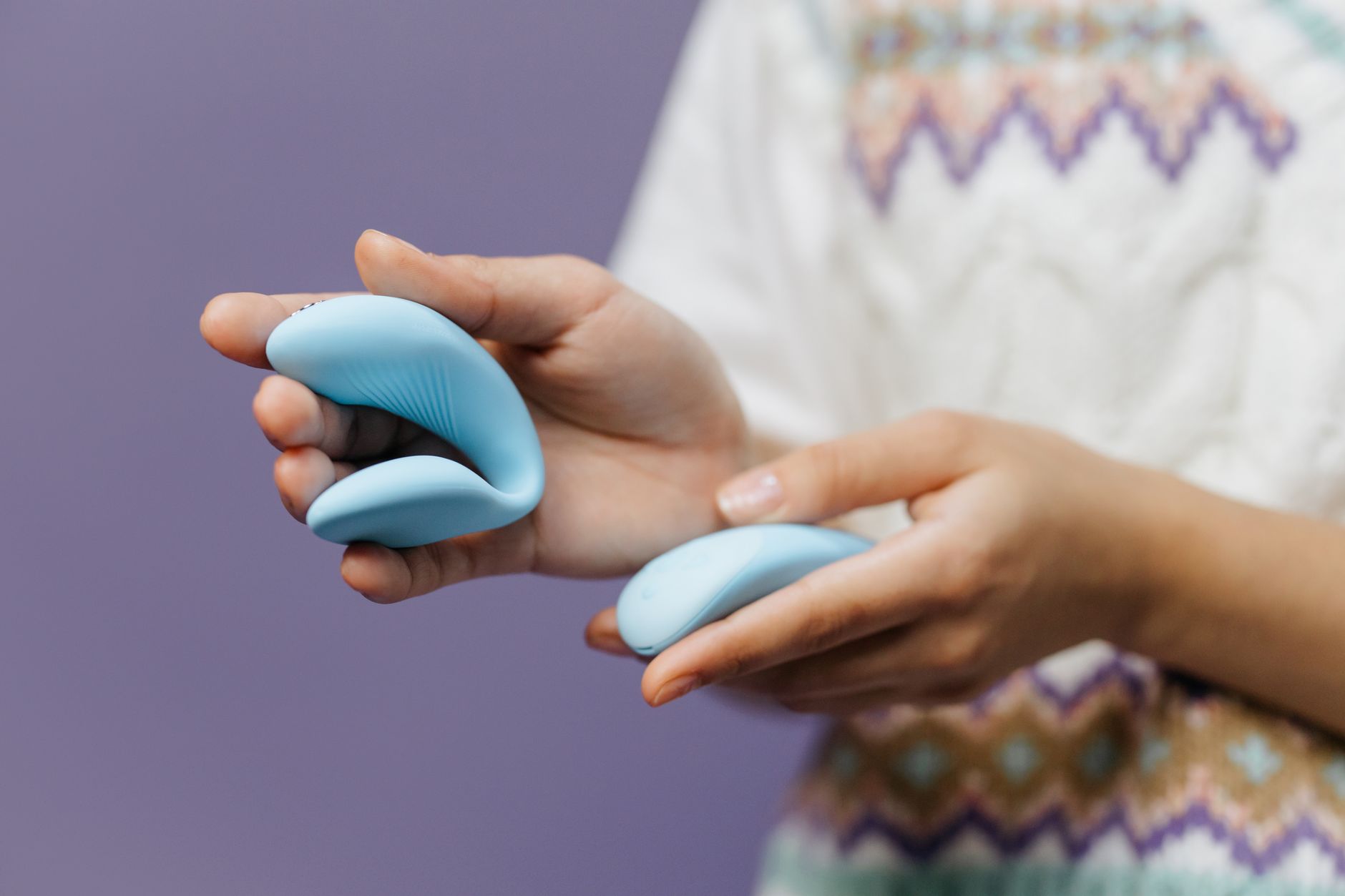
Photo by cottonbro studio on Pexels
A lemon vibrator has multiple suction patterns. Some are steady. Some pulse. Some ramp up and down. When sensation is muted, switching patterns is more powerful than increasing intensity.
Use pattern one for a few sessions. Then switch to pattern two. Your nervous system will respond to novelty more readily than to "more of the same but stronger." This is why exploring different patterns across weeks matters more than finding the single right intensity.
Many people on medication find that a slow, rhythmic pulse works better than rapid fire. But that's individual. The point is to vary the pattern deliberately. You're looking for the one that your nervous system wakes up to, not the one that feels strongest.
If you have a partner, they might feel shut out. Medication flattened your desire. You're focused on rebuilding sensation alone. That gap creates distance.
Here's the truth: using a lemon vibrator for sensation recovery is not replacing partnership. It's a tool for your nervous system. Separate that conversation from the intimacy conversation. Your partner can be involved in different ways. They can be present in the room. They can provide touch that isn't aiming for arousal. They can understand this is about medication chemistry, not them.
The conversation that helps: "My medication is affecting sensation. I'm using a specific tool to help rewake my nervous system. This isn't about you. It's medicine supporting medicine."
Then actually do the work. Consistently. For weeks. When sensation starts returning, then you invite partnership back in.
Don't expect miracles in week two. Medication side effects didn't happen overnight. Rebuilding sensation doesn't either. Most people notice meaningful changes around week four or five. Real return to baseline takes longer.
This isn't failure. It's physiology. Your nervous system is slowly increasing sensitivity. Blood flow is normalizing. Your brain is remembering how to register pleasure signals.
Keep a simple log if you find it helpful. Not for obsessing. Just to notice: week three, sensation felt slightly sharper. Week six, I noticed sensation returning in my legs. Week eight, orgasms started feeling like something again. That progression is real, and seeing it written down matters when patience is hard.
If sensation numbness is severe and isn't budging after six weeks of consistent work with a lemon clitoral vibrator, mention it to your doctor. Not as a complaint. As information: "Sensation is significantly reduced. I'm using a tool to help rebuild it, but I want to know if there's a medication adjustment that could help."
Some doctors will adjust dosage. Some will switch to a different medication in the same class with fewer sexual side effects. Some will add a medication to offset the side effect. Some will say sensation should come back with time.
All of those conversations are worth having. You deserve pleasure, and medication shouldn't require choosing between mental health and sensation. Sometimes small changes make a big difference.
Two to three weeks before you notice a real shift. That's the median. Your nervous system isn't dead. It's just slower to activate. Suction bypasses some of that slowness because it's a different type of stimulation than vibration. You'll feel novelty before you feel intensity.
Yes. The approach stays the same: lower starting intensity, longer warm-up, consistent pattern variation, plenty of lubrication. If you're on multiple medications, sensation recovery takes longer. Maybe eight to twelve weeks instead of six to eight. The timeline stretches, but the strategy doesn't change.
Not necessarily. Many people rebuild sensation while staying on the same medication. Some notice that lowering the dose helps, which is a conversation with your prescriber. Some switch to a different medication. Some find that sensation stabilizes at a new baseline, lower than before but present. All those outcomes are possible.
That's completely normal. Your nervous system isn't used to that sensation pattern. You might find it strange or even slightly uncomfortable for the first week or two. That's different from painful. If it's uncomfortable, lower the intensity and stick with it a few more sessions. If it moves toward painful, stop and try a different approach. There's no one right tool for everyone.
Absolutely. Some couples find that using a lemon clitoral vibrator together while a partner is inside or touching creates a bridge between sensation recovery and partnership. Others prefer to rebuild sensation solo first. Both work. The key is that whoever is present understands this is about medication side effects, not preference.
No. Once sensation is rebuilding, you can start exploring intensity again. The patterns that woke up your nervous system might become less necessary. You might find you prefer different stimulation. You're not locked into the recovery protocol forever. It's a bridge tool, not a permanent fixture.
Medication side effects that numb sensation are real, common, and fixable. They require patience and the right approach. A lemon clitoral vibrator works for this specific problem because it introduces a distinct sensation pattern that cuts through medication-induced numbness in a way traditional vibration often can't.
Start low. Take time. Use lubrication. Vary patterns. Stay consistent. Give it weeks, not days. And talk to your prescriber if things aren't shifting. Your pleasure matters. Your mental health also matters. You don't have to choose between them.
If you want a personalized plan for rebuilding sensation while managing medication side effects, reach out at the link below. You don't have to navigate this alone.