Anxiety medication saves your mental health. It also quietly dismantles your sex life. SSRIs, SNRIs, and some atypical antipsychotics are notorious for flattening desire, delaying orgasm, or making orgasm feel completely unreachable. You're not broken. Your medication is doing exactly what it's designed to do: dampen neurochemical activity in your brain.
The problem is that dampening anxiety also dampens the dopamine and serotonin pathways that fuel arousal.
Here's the part most doctors skip over: you don't have to choose between mental health and sexual pleasure. Restarting arousal after anxiety medication requires a specific approach, and lemon clitoral vibrators are one of the most effective tools available.
SSRIs increase serotonin availability in your brain by slowing its reabsorption. That's great for anxiety and depression. But serotonin also suppresses dopamine in certain neural pathways. Dopamine drives desire, motivation, and the physical cascade of arousal. When dopamine drops, initiation becomes harder. Orgasm gets harder too.
The second layer is mechanical. Many anxiety medications numb sensation in the genital region directly. It's not just psychological flatness. The physical signals from your clitoris to your brain travel slower and feel muted. Touch that used to spark a chain reaction now feels like static.
Some people experience complete anorgasmia. Others notice they can orgasm but it takes twice as long and feels half as intense. Both are real. Both are chemically driven, not a reflection of your body's actual capacity.
This is the counterintuitive part. When sensation is muted, gentle touch often feels like nothing. You try a low vibration, feel nothing, and assume you're permanently broken. What actually happens is that your threshold for stimulus has shifted upward.
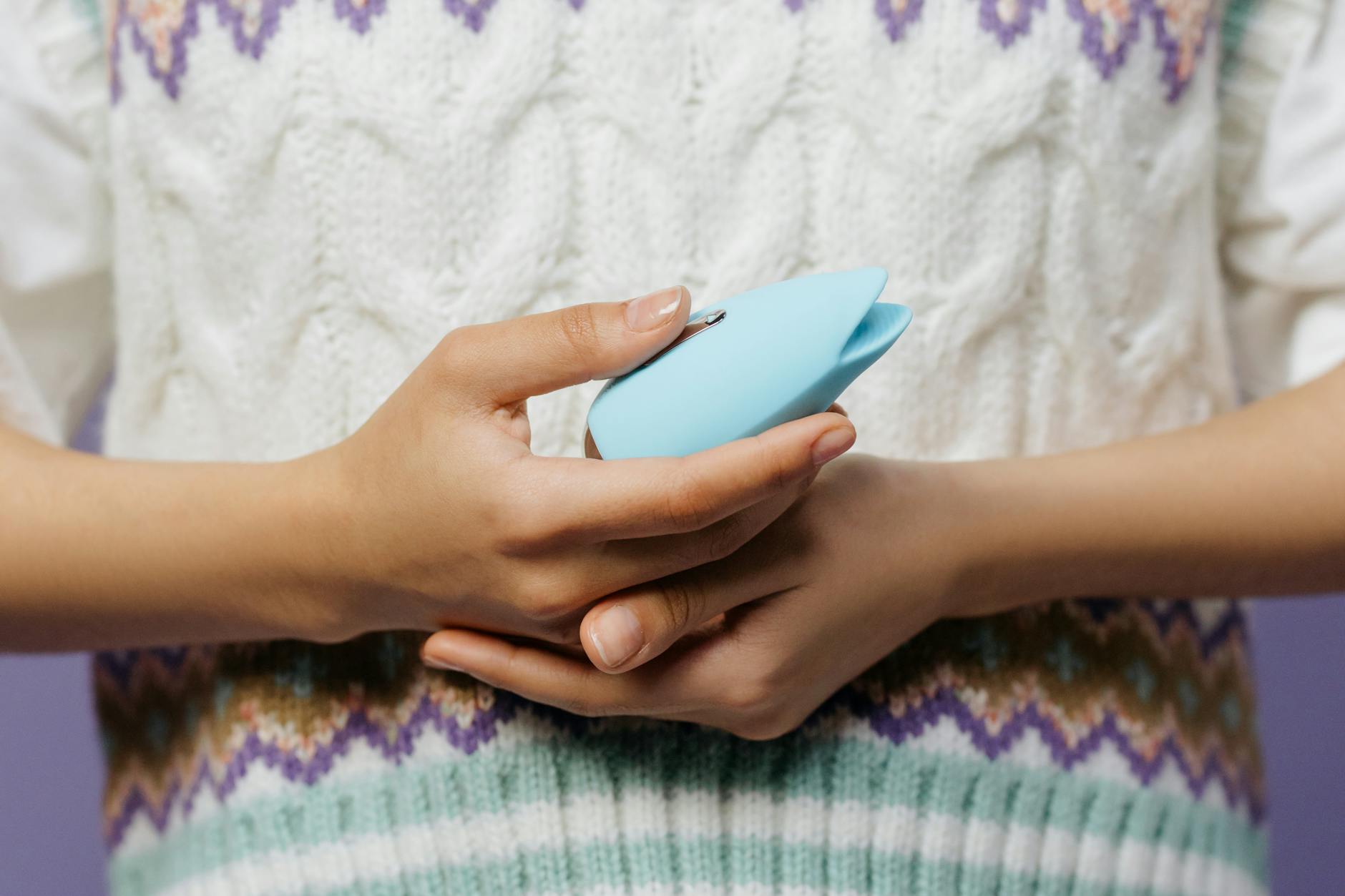
Lemon clitoral vibrators work here because they deliver targeted, sustained stimulation without requiring you to maintain pressure or rhythm yourself. The suction mechanism gently pulls on the tissue while vibrating, which activates more nerve endings faster than traditional vibration alone. It's not that you need more intensity overall. You need the right kind of intensity.
This matters because it means you're not retraining yourself to need extreme stimulus. You're meeting your nervous system where it currently is and gradually introducing more nuanced sensation as your baseline recovers.
Set aside real time. This is non-negotiable. When you're on an SSRI that dulls sensation, five minutes of distracted touch won't register. Budget 20 to 35 minutes. Your brain and body need runway to build arousal from a flattened baseline.
Start with pattern one or two. Most lemon vibrators have five to seven patterns. Begin at the lowest settings even if they feel subtle. This trains your nervous system to recognize micro-sensations again. Spend at least five minutes here before escalating.
Move to areas beyond the clitoris first. Your clitoris has desensitized more than surrounding tissue. Begin with the labia, mons pubis, and inner thighs. Use a gentle suction pattern on these areas for five to ten minutes before moving to the clitoral head. This primes the broader pelvic nerve network.
Build toward direct clitoral contact slowly. Once surrounding tissue is warm and responsive, move the vibrator to the clitoral shaft rather than the glans at first. The glans is more sensitive to overstimulation when you're coming back from medication dampening. Shaft stimulation lets sensation build without overwhelming.
Notice micro-shifts, not orgasm targets. In early recovery, success is not orgasm. Success is noticing your breathing deepen. Success is warmth spreading through your pelvis. Success is your body tensing slightly or your mind staying present for more than two minutes. These are signs that sensation is returning.
This varies wildly depending on your specific medication, dosage, and how long you've been taking it. Some people notice shifts in two to four weeks of consistent practice. Others need two to three months. A few find that sensation returns more fully only after a dose reduction or medication switch with their prescriber.
The key is consistency. Using a lemon vibrator once a month won't trigger neural plasticity. Three to four times per week does. Your brain needs repeated stimulus to rewire the pathway between touch and pleasure.
If you're partnered, this recovery period is also an excellent time to rebuild intimacy without the pressure of performance. Many couples find that the time and intentionality required to restart sensation after anxiety medication actually deepens emotional connection.
If sexual side effects are severe or creating distress in your relationship, this conversation matters. Some doctors will lower your dose slightly. Others will suggest taking your SSRI at a different time of day (evening vs. morning can shift when side effects peak). A few prescribers will add a separate medication like bupropion to offset dopamine suppression, or switch to a medication with lower sexual side effects like mirtazapine or vilazodone.
Don't assume your current medication is the only option. The right psychiatric care includes conversations about quality of life, and sex is part of that.
Lemon clitoral vibrators work best alongside other practices. Pelvic floor exercises increase blood flow to the genitals and strengthen the neural pathways for pleasure. Kegel exercises seem simple, but they're genuinely effective for rebuilding sensation after medication dampening.
Fantasy and mental engagement matter too. Your brain is partly responsible for your sexual response, and when anxiety medication dampens it, you're working with a depleted system. Reading erotica, using apps designed for sexual mindfulness, or visualizing scenarios that engage you mentally can accelerate the return of arousal. This isn't about willpower. It's about giving your brain the scaffolding it needs to rebuild the pleasure circuit.
Water-based lubricant helps, though the suction mechanism of lemon vibrators means you need less than you might with traditional vibrators. A small amount reduces friction and lets sensation come through more clearly.
Many people blame themselves for sexual side effects. You internalize the flatness as rejection of your partner or proof that desire is gone. Neither is true. Your medication is working exactly as designed. Your body is responsive. Your desire hasn't vanished. The path between them is just temporarily obscured.
If you're rebuilding pleasure solo, giving yourself permission to be selfish with time and attention matters. This isn't a chore to complete. This is you reclaiming a part of yourself that medication temporarily muted.
If you're with a partner, the conversation is about alliance rather than performance. You're not trying to satisfy them or prove you still want them. You're both working to restore something that medication interfered with. That's a fundamentally different frame, and it usually feels less pressured.
Sometimes sexual side effects persist even after consistent practice or medication adjustment. Dosage, medication type, and individual neurobiology all play a role. If you've been working with a lemon vibrator three to four times weekly for three months and sensation hasn't noticeably improved, it's time to revisit your prescriber.
Persistent anorgasmia or complete sensation loss might signal that your current medication isn't the right fit, even if it's managing your anxiety beautifully. This doesn't mean you're broken. It means you and your doctor need to find a medication that serves your whole health, not just part of it.
Traditional vibrators rely on you maintaining contact and pressure. When sensation is muted, maintaining pressure feels pointless because you're not getting feedback. Lemon clitoral vibrators use suction technology that activates more nerve endings simultaneously, which can breakthrough dampened sensation more effectively than vibration alone.
Sexual side effects can appear within days of starting an SSRI or can develop gradually over weeks. Some people experience them from dose one. Others tolerate their medication well for months and then notice flattening. There's no universal timeline, which is why documenting when changes occur matters for your prescriber.
Absolutely. You're not working against your medication. You're working with your nervous system to rebuild sensation while taking medication that's protecting your mental health. The vibrator is a tool for rewiring the pleasure pathway, not a replacement for psychiatric care.
It depends on which medication you switch to and what you're switching from. Some medications have sexual side effects that fade within two to three weeks of stopping. Others take months. Starting with a lemon vibrator during the transition helps rebuild sensation momentum as your system adjusts to the new drug.
Completely normal and completely unnecessary. Your medication is supporting your mental health. A vibrator is supporting your sexual health. There's no conflict there. If guilt arises, it's worth examining where that message came from. Your sexual pleasure matters just as much as your anxiety management.
That depends on your relationship and your comfort. If you're partnered and want to eventually resume partnered sex, transparency helps. You might frame it as "I'm working on rebuilding sensation while I'm on this medication. Using a vibrator helps me understand what my body is responding to again." This is information, not confession. Most partners appreciate knowing what's happening rather than wondering why sex feels different.
Anxiety medication doesn't have to mean the end of sexual pleasure. It means the beginning of a different, often more intentional relationship with arousal. Using lemon clitoral vibrators to restart sensation after medication side effects gives you a concrete tool and a clear framework for rebuilding. Pair that with conversations with your prescriber, patience with your timeline, and permission to prioritize your pleasure as part of your overall health. Most people find their way back. You will too.