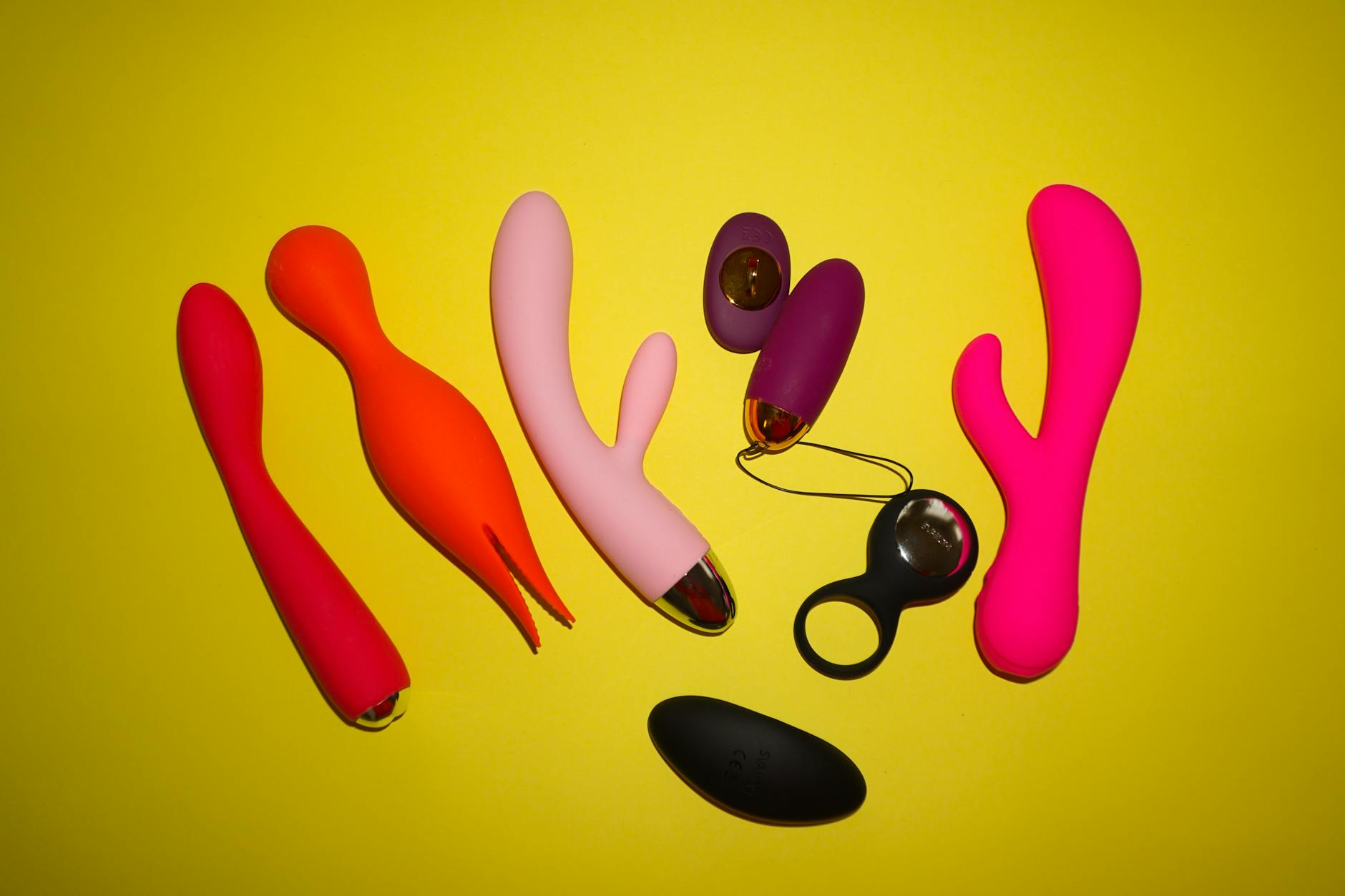
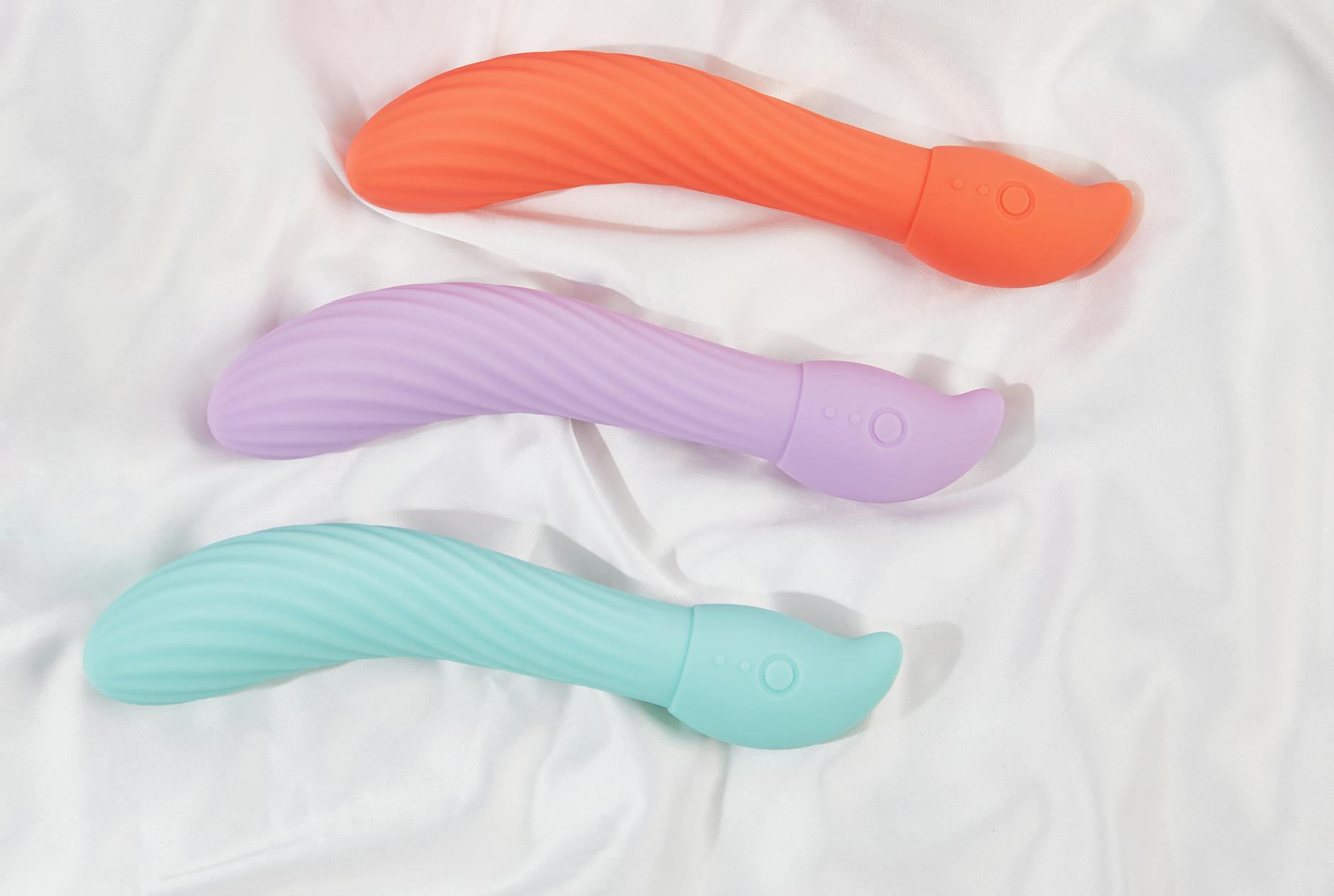
How to Introduce Lemon Vibrators to Your Partner Without the Awkward Talk
The conversation that feels impossible is usually just a framing problem. Here's how to bring clitoral vibrators into partnered sex so both of you feel invited, not threatened.
Introducing lemon vibrators or any clitoral toy into partnered sex feels like it should be a big deal. But the awkwardness you're predicting? It's usually not about the vibrator. It's about framing. You're probably rehearsing it as "Hey, I want something different because what we're doing isn't working," when what you actually mean is "I want to feel amazing, and I want you there for it." Those are wildly different sentences.
I've worked with hundreds of couples navigating this exact moment. The ones who move forward smoothly aren't the ones who have perfect language. They're the ones who separate the vibrator conversation from the relationship conversation and get the timing right.
Don't bring this up mid-conflict, mid-stress, or mid-bed. Seriously. The worst time is when you're already frustrated about sex. The second-worst time is right before or after sex when someone's vulnerable.
The best time is a neutral conversation, fully clothed, not in the bedroom. Sunday afternoon coffee. A quiet moment after dinner. The car on the way to something else (surprisingly good for this because you're not making eye contact, which makes talking easier for a lot of people).
You want your partner's brain available, not their defensive system activated. That means zero pressure, zero performance stakes, and zero "we need to talk" heaviness.
Forget "We need to add something to our sex life" or "I found this thing I want to try." Both signal dysfunction.
Instead: "I read about these clitoral vibrators called lemon vibrators, and I'm curious about them. I think it could be fun to explore together. What do you think?"
That sentence does four things right.
First, it's information-led, not demand-led. You're sharing something you learned, not issuing a request. Second, it positions the vibrator as collaborative. "Together" matters. Third, it invites their actual opinion instead of asking for permission (which sounds defensive). Fourth, it's specific enough that they know what you're talking about, but casual enough that it doesn't feel like a production.
If they ask questions, that's the conversation. If they look uncomfortable, pause and ask what they're thinking. Don't steamroll.
Most partners have one of three fears: that they're not enough, that it means you want someone else, or that they don't know how to use it and will feel stupid.
Address each one directly if it comes up.
"Not enough" sounds like: "I just want something extra. You matter. This is about exploring sensation together, not about you falling short." Make it specific. "The lemon vibrator works differently than fingers or a penis because of the suction stimulation. It's like the difference between a massage and a stretch. Both feel good. Different." This reframes it from replacement to expansion.
The "you want someone else" fear usually lives unspoken. If you sense it, bring it into the light. "I want to feel amazing with you here, in this bed, with me. That's the whole point." Simple. True.
The "I don't know how to use it" anxiety is actually the easiest to solve. You become the expert. You research it. You show them how it works. You handle it. Take the performance pressure completely off them.
If they say yes immediately, great. Move forward with the next steps. If they say "I don't know" or "Maybe," that's not rejection. That's processing. Give them time. A day. A few days. Not weeks, but not pressure either.
If they say no, ask why. This matters. "That's not my thing" is different from "I'm worried you'll like it more than me." One is a boundary. One is insecurity. You handle those conversations differently.
If they're genuinely not interested, you get to make a choice. Some people are fine with solo exploration. Some people need this to be partnered. Both are valid. But if you're partnered and this matters to you, the vibrator conversation is actually a smaller version of a bigger conversation about desire and openness. That might be worth exploring with a therapist together.
If they're in, you move to logistics. This is where detail helps. Show them the Hello Nancy website. Look at options together. The Lemon clitoral vibrator is the flagship. Some partners feel more included if they get to help choose.
Then agree on a low-pressure first time. Not a performance moment. Just exploration. "Let's try it and see how it feels. No expectations. If it's weird, we laugh about it and try again later."
Focus on sensation, not outcome. Nobody's trying to have an orgasm on a deadline. You're learning what feels good. There's a difference, and that difference changes everything about how relaxed everyone feels.
Here's something most people don't realize: clitoral vibrators that use suction stimulation feel different enough from fingers or penis that they don't feel like a replacement. They feel like their own thing.
With a lemon vibrator, you're not recreating what your partner already does. You're adding a sensation that neither of you have experienced. That reframes the whole dynamic. It's not "I want better." It's "Let's try this together."
I've seen couples move from hesitation to enthusiasm the moment they understand that this isn't about adequacy. It's about novelty and pleasure, and both of those things strengthen connection when they're approached as shared exploration.
Most couples make the first experience awkward by overthinking it. You're watching yourself have sex instead of having sex. That kills sensation.
So here's the antidote: focus on your partner. Not on your body or how this looks. Ask them what they want to do. Keep talking. Keep it playful. If something doesn't work, move on. You're gathering data, not filming a scene.
If it feels amazing, say so. That feedback loops back to them. They'll feel like they were part of making you feel good. Which they were.
Introducing lemon vibrators into partnered sex is not actually about the vibrator. It's about signaling that pleasure matters, that curiosity is safe, and that you both get to feel good. That's the subtext your partner is reading, not "I want a sex toy."
When you frame it that way, most good partners say yes. And even if they're hesitant at first, they often become enthusiastic once they understand that this is you inviting them deeper into intimacy, not you checking out of it.
The conversation feels hard because we've been taught to be embarrassed about pleasure. But you're not asking for permission to feel good. You're inviting your partner to be part of that. That's different. That's actually hot.
You address it head-on. "This isn't about you falling short. You turn me on. This is about exploring sensation together. The clitoral vibrator does something different because of how it's designed. It's not better or worse. It's different. And I want to experience it with you." Then show them research on how couples who explore toys together report stronger intimacy. Numbers help when insecurity is high.
The Lemon clitoral vibrator from Hello Nancy is the most versatile. It's intuitive, the suction intensity is adjustable, and it's designed for exploration. Start with the basics. You don't need the most advanced model. You need one that feels good and that you're not too nervous to use in front of your partner.
A few days to a week is usually right. Not immediate. Not months. You want them to have time to adjust to the idea without it becoming this lingering thing. Set a specific time if you can. "How about Friday night?" is better than "sometime soon."
Then you stop. No judgment. Maybe it's the technique. Maybe it's the moment. Maybe it's just not the toy for you. You have options. You can try a different lemon vibrator design, or you can shelve the whole thing. What matters is that you tried together and nothing bad happened. That's actually a win for your relationship because you took the risk and survived it.
Absolutely. Many couples do. The lemon vibrator can be used during penetration with a partner. Some people find it enhances sensation. Some find it distracting. You figure out what works for you through experimentation.
Start solo. Let them watch. Then let them try. Shyness usually fades once you realize nothing bad is happening. But take it at your pace. If you're not comfortable, you're not ready, and that's okay. Don't force vulnerability you're not feeling. It'll show, and it'll make the experience tense.
If it goes well, integration gets easier. You might use the lemon clitoral vibrator sometimes, not others. You might discover preferences about positioning, timing, intensity. You might find that it's especially good at certain moments in your cycle or at certain times of day.
What matters is that you've cracked open the conversation. Pleasure is now something you explore together, not something you hide or manage alone. That's the real shift. The vibrator is just the tool that made the conversation possible.
You've got this. The hard part is the first conversation. After that, it's just pleasure.