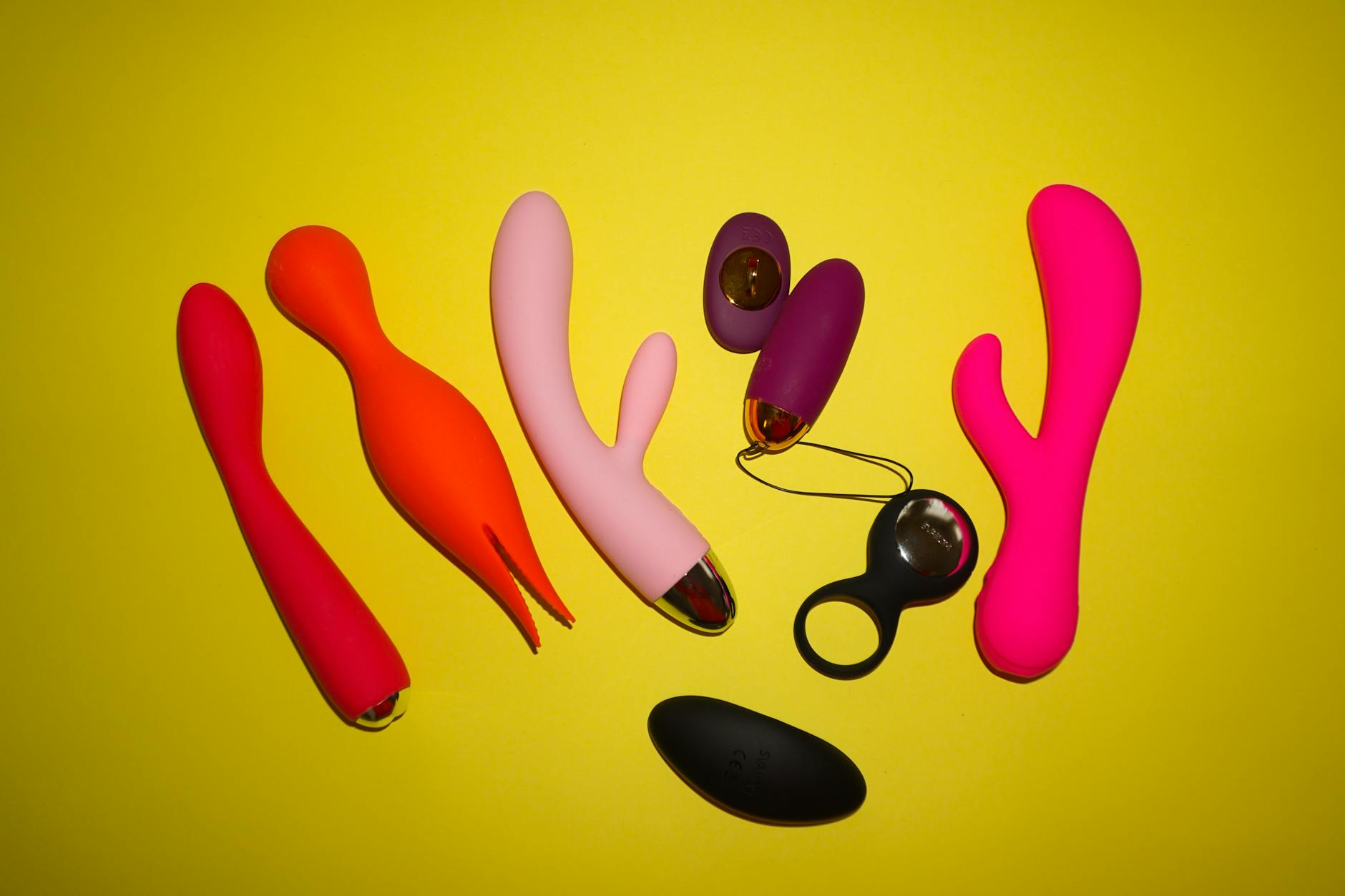
How Lemon Vibrators Reduce Clitoral Numbness From Frequent Masturbation
When friction becomes routine, sensation fades. Here's why switching to suction-based lemon adult toys helps rewire pleasure and restore the intensity you've been missing.
If you've been using the same type of stimulation for years, your clitoris has likely adapted. This isn't a personal failure or a sign that something's broken with you. It's basic neurology. Repeated identical friction on sensitive tissue eventually requires pressure, more speed, or more duration to trigger the same response. That's desensitization, and it's wildly common.
Here's the catch: the harder you chase that original sensation, the more your nervous system learns to tune it out. It's a loop that leaves a lot of people feeling frustrated, numb, and disconnected from their own pleasure.
Traditional vibrators work through rapid back-and-forth motion. For years, this feels amazing. But over time, your body's sensory receptors habituate to that specific mechanical pattern. Think of it like listening to the same song on repeat. At first it's thrilling. After 500 plays, your brain stops registering it.
The clitoris has roughly 8,000 nerve endings packed into a tiny space. When you use friction alone, you're stimulating the same neural pathways repeatedly. Your nervous system gets efficient at ignoring the signal. Paradoxically, the more you chase intensity through added pressure, the faster desensitization happens.
Worse, consistent friction can actually create micro-inflammation and temporary numbness in the tissue itself. That's different from neural habituation. Your body is literally protecting itself by dampening sensation.
Air-suction technology like the Lem vibrator uses a completely different mechanism. Instead of friction, it creates gentle rhythmic pressure waves that stimulate nerve clusters in a softer, more varied pattern. Here's why that matters for someone experiencing numbness.
First, suction doesn't habituate the same way friction does. Because the sensation is gentler and rounder rather than sharp and repetitive, your nervous system doesn't rush to tune it out. You can experience pleasure at lower intensities, which paradoxically means your sensitivity often improves over weeks of use.
Second, the suction pattern engages deeper nerve structures around the clitoris, not just the surface ones that friction has worn out. It's like waking up a part of your nervous system that vibration alone never reached.
Third, and this matters: lemon clitoral vibrators usually have multiple intensity patterns (the Lem has 12). Switching between patterns forces your nervous system to stay alert instead of zoning out. Each new pattern feels different enough that habituation slows dramatically.
Most people notice a shift in sensitivity within 2 to 4 weeks of switching to a lemon suction vibrator as their primary tool. But the timeline varies.
If you've been using intense vibration almost daily for years, expect 6 to 8 weeks before you feel significant restoration. That's not because the Lem isn't working. It's because your nerve endings need time to reset their baseline sensitivity. You're literally retraining your nervous system.
The first week is often the hardest. Your body expects the familiar friction pattern. Suction might feel weird, less intense, or even insufficient. Stick with it. Around week two, you'll usually notice that lower-intensity patterns suddenly feel better. That's your sensitivity returning.
Here's a concrete strategy: spend the first two weeks using only intensity levels 1 through 3 on a lemon vibrator. Resist the urge to crank it up. Let your clitoris learn that pleasure lives at lower volumes now. Around week three, explore the full range of patterns. You'll likely find that patterns you'd normally skip now feel genuinely interesting.
Switching tools alone helps, but adding these changes speeds recovery significantly.
Take strategic breaks. If you've been masturbating daily, shift to 5 to 6 days per week for the first month. Not because masturbation is bad for you. It's not. But giving your nervous system a 24-hour window to fully reset helps sensitivity bounce back faster. After a month of restored sensation, you can return to daily masturbation without the same desensitization trap.
Vary your stimulation patterns. If you've only ever used one setting on your old vibrator, now's the time to mix it up. Use the Lem's pattern 2 one day, pattern 7 another day. Variety prevents habit formation. Your nervous system stays engaged when it can't predict what's coming next.
Extend your warm-up time. Give yourself at least 15 to 20 minutes before using any vibrator. Manual touch, breathing, fantasy, whatever builds arousal for you. A truly aroused clitoris is far more sensitive than a rushed one. You're priming your nervous system, not just your tissue.
Pair it with mindfulness, not distraction. Some people numb themselves by scrolling through porn on their phone while they masturbate. That's multitasking your pleasure. For the first few weeks of resensitization, put the phone away. Pay attention to what you actually feel. Sensation doesn't come back if you're not giving your brain room to process it.
After a few weeks with a lemon clitoral vibrator, many people report that orgasms feel sharper again. Not just stronger. Different. More localized. More interesting.
This isn't imaginary. You're not just getting used to a new toy. You're actually restoring sensation pathways that friction had worn smooth. The nerve endings are becoming responsive again at lower thresholds. That means subtlety returns. You can feel the difference between pattern 3 and pattern 4. You notice the warm-up. You experience the buildup instead of just chasing the release.
Some people find that once sensitivity returns, a lemon vibrator remains their primary tool. Others reintroduce their old vibrators but use them only occasionally, and with far more control around intensity. The key is that you get choice back. Numbness takes choice away. Restoration gives it back.
If you've been using very intense vibration for a decade or more, sensitivity recovery can take 3 to 4 months instead of weeks. That's normal. The nervous system is just slower to rewire after that long a period.
If you're noticing persistent pain, swelling, or discoloration of the tissue itself, that's worth checking with a gynecologist. Rarely, repetitive stimulation can create small abrasions or micro-tears. These heal quickly with a break and usually some topical care, but it's good to rule out anything that needs actual medical attention.
If sensitivity doesn't improve at all after three months of consistent work, there may be other factors at play. Certain medications, hormonal fluctuations, or underlying nerve sensitivity issues can complicate things. A conversation with a healthcare provider who's comfortable discussing sexual wellness can help you figure out what's actually happening.
Let's be real: some of the numbness you're experiencing might not be purely physical. Shame, boredom, or disconnection from your own body can feel exactly like desensitization. If you've been masturbating the same way for a decade partly because you felt like you had to, switching to something gentler and more varied might help emotionally too.
Your pleasure matters. It matters enough to be thoughtful about. Numbness is your body's way of saying that something about the current pattern isn't working anymore. Listening to that signal and making a change isn't failure. It's paying attention.
Desensitization usually feels like a gradual increase in the stimulus needed to feel pleasure. You didn't wake up numb overnight. Medical issues typically come with other symptoms: pain, swelling, texture changes, or numbness that appeared suddenly. If you're not sure, a quick conversation with a gynecologist can rule things out. Most numbness from repetitive stimulation is purely neurological, not structural.
Yes, but strategically. During your first two weeks of resensitization, use only the lemon suction vibrator. After that, you can rotate. Using your old vibrator occasionally after sensation has returned won't erase your progress. The key is variety and not defaulting back to the old pattern as your only tool.
That depends on how intense your normal routine is. If you were using maximum settings daily, plan on 4 to 6 weeks of more mindful use before you're back to frequent masturbation. The difference is that now you'll likely find pleasure at lower intensities, which means less pressure on your tissue long-term.
They work really well for most people with desensitization from friction-based vibrators. That said, if your numbness comes from medication, hormonal changes, or nerve damage, a lemon vibrator helps but might not fully restore sensation on its own. It's still worth trying because suction-based stimulation engages different nerve pathways than friction does.
No. Frequent masturbation isn't unhealthy. Desensitization from repetitive identical stimulation is just a thing that happens sometimes. It's not a moral failure. It's information. Your body's way of saying it's time to mix things up.
Absolutely. Lemon vibrators like the Lem are designed for partnered use too. In fact, partners often find that suction-based toys feel less intimidating than traditional vibrators. The sensation is softer, more controllable, and less likely to create that desensitization trap you're working to escape right now.