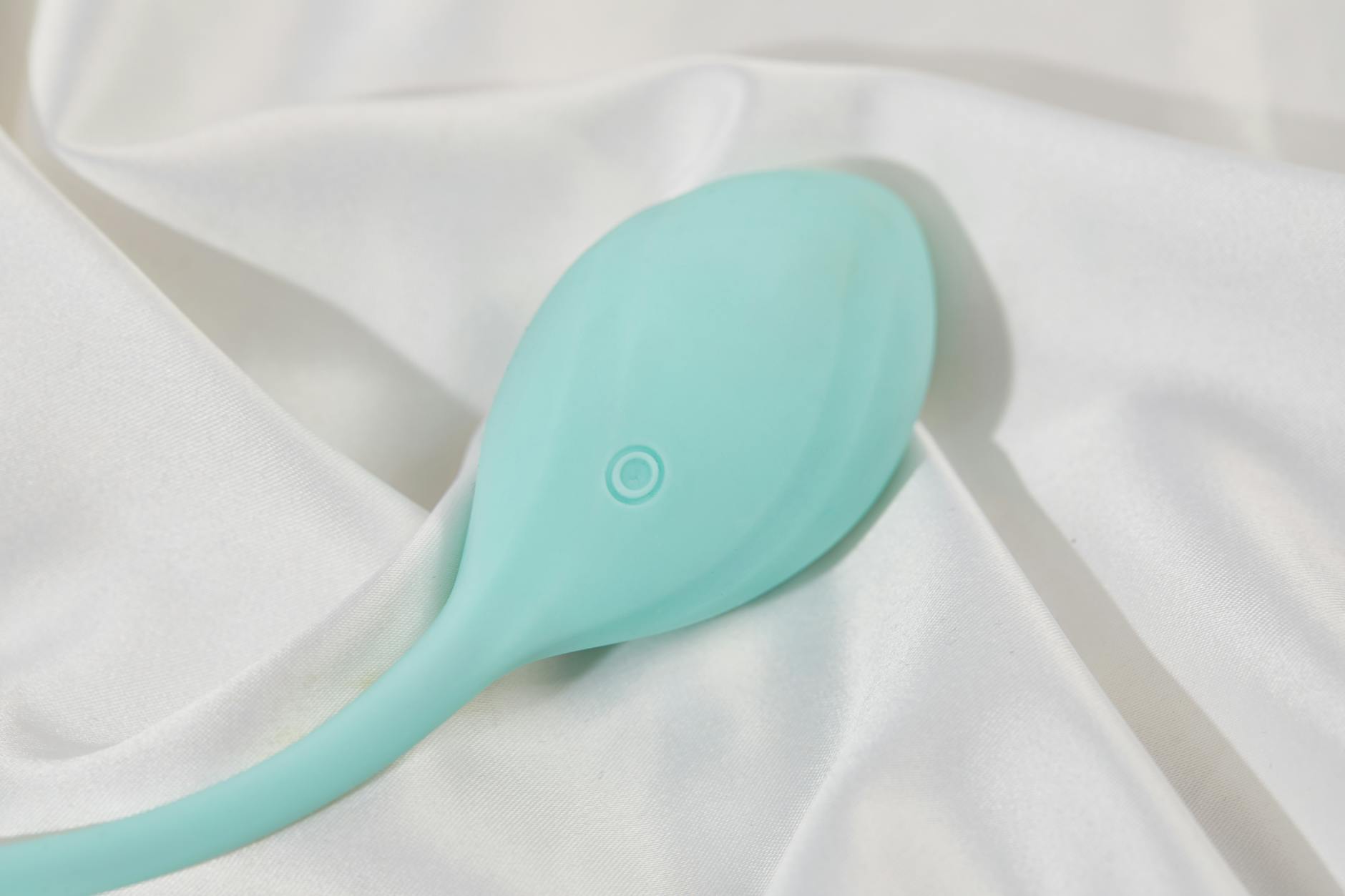
Best Lemon Vibrator Patterns for Building Arousal Gradually
How to layer intensity on a lemon clitoral vibrator without overwhelming sensitive tissue. The rhythm that works, the common mistakes, and why pacing changes everything.
Most people grab a lemon vibrator, crank it to pattern 5, and wonder why it feels too intense or numbs out after thirty seconds. That's like pouring vodka on a fire and expecting warmth. The whole point of a suction vibrator is that it lets you build something gradually, layering sensation without the grinding fatigue of traditional vibration. But you have to know how to use the patterns.
Here's the thing most guides miss: patterns aren't just variety for variety's sake. They're a progression system. The Lem's patterns move from steady pulse to rhythm clusters to waves. That's not random. Each one engages your nervous system differently.
Patterns 1 through 3 are your warm-up zone. This is where most people should spend the first 8 to 15 minutes. Pattern 1 is a single, predictable pulse. Your body knows what's coming next. Your brain relaxes. Blood flow increases. This is the foundation.
Pattern 2 adds a gentle double-beat. It's still predictable, but there's more information for your nervous system to process. It feels slightly more active without being intense.
Pattern 3 introduces a triplet pulse. You're starting to feel rhythm now, not just pressure. This is where most people notice they're becoming aroused rather than just receiving sensation.
Don't increase intensity at the same time you change patterns. This is where impatience kills the whole experience. When you switch from pattern 1 to pattern 3, stay at the same intensity level (usually the first two settings). Let your body adjust to the new rhythm. Give it at least two minutes before you even think about turning the dial up.
Why? Because the lemon vibrator works through suction that stimulates thousands of nerve endings. Your nervous system needs time to register and enjoy each layer before adding more information. If you flood it all at once, the signal becomes noise.
Once you've spent 10 to 15 minutes in patterns 1 to 3, your body is primed. Now patterns 4 and 5 actually hit different. These add complexity and speed without becoming overwhelming because your tissue is already responsive.
Pattern 4 usually features a wave sequence that builds and releases, mimicking the natural rhythm of arousal itself. Your breath probably deepens here. You might notice your thighs responding even when the vibrator isn't directly stimulating them.
Pattern 5 is often the fastest rhythm. But because you've spent time building, it doesn't feel jarring. It feels like the natural peak of what you've been building toward.
Stay here for 5 to 8 minutes. Don't panic if you plateau. That's normal. Your nervous system is processing a lot of pleasurable stimulation, and sometimes that means a brief moment of stability before things shift again.
This is crucial. The intensity settings (usually 1 through 3 or 1 through 5 depending on your model) are a secondary tool. The pattern is your primary control. Most people should use intensity 1 or 2 for patterns 1 through 3, then move to intensity 2 or 3 for patterns 4 through 5.
If you're using intensity 3 before minute 10, you're working against yourself. High intensity too early doesn't lead to faster arousal. It leads to fatigue, numbness, and a session that peaks early and then fizzles.
Think of it like music. The volume (intensity) is less important than the beat and melody (pattern). A song at low volume with great rhythm hits harder than a song at high volume with no structure.
When you're alone, you can trust your body's feedback completely. Spend as long as you want in each pattern. There's zero pressure to reach any specific outcome.
When a partner is involved, communication matters more than you'd think. A lot of people feel rushed because their partner assumes faster patterns mean faster arousal. They don't. If you're using your lemon clitoral vibrator with a partner watching or helping, say it out loud: "I'm going to spend some time here before we move to the next pattern." This removes the silent anxiety that you should be going faster.
The best partnered sessions I've observed with couples are ones where the person with the vibrator takes the lead on pacing. Your body knows what it needs. Your partner's job is to support that, not predict it.
This matters more than most people realize. In the first half of your cycle (if you menstruate), your tissue is more responsive because estrogen is higher. You might find you can spend less time in patterns 1 to 3 and move into escalation faster. This is fine.
In the second half of your cycle, things often feel a bit muted. Progesterone is higher, blood flow to tissue is slightly lower. This doesn't mean something's wrong. It means you might need 20 minutes in the warm-up zone instead of 10. Honor that. Using a lemon vibrator with sensitivity to your cycle transforms it from a tool that sometimes works to one that almost always works.
Sometimes mid-session, you hit a wall. You're in pattern 4 or 5, intensity is building, and then... nothing. It stops feeling as good. Don't assume you've peaked.
Step back. Go back to pattern 2 at intensity 1 for 30 to 60 seconds. Let your tissue calm slightly. Then move forward again, but this time maybe skip pattern 4 entirely and go straight to pattern 5. Or try pattern 3 at a higher intensity instead. The point is to break the rhythm your nervous system has gotten used to.
This isn't failure. This is how your body tells you it needs novelty, not more of the same.
If you've read about how suction vibrators work better for sensitive tissue, that's true. But sensitive tissue also needs more pacing respect. If your clitoris has ever felt sore or numb after vibration, you're probably starting too intense or staying in one pattern too long.
For genuinely sensitive tissue, add 5 minutes to each phase. Spend 15 to 20 minutes in patterns 1 to 3. This isn't slow or boring. It's actually where the deepest pleasure lives for many bodies. The slower you go in the beginning, the more sensation is available to you later.
Why Lemon Clitoral Vibrators Work Better for Sensitive Tissue goes deeper into this, but the pattern approach changes everything when you're working with more delicate response.
Here's what I've noticed with clients over years of coaching couples: the best orgasms happen after a long, gradual build. Most people try to get there as fast as possible, which means they're always chasing the feeling of novelty and escalation.
When you slow down and respect pattern progression, something shifts. By the time you reach pattern 5 at higher intensity, you've been aroused for 20 to 30 minutes. Your whole body is involved. Your breathing is deeper. Your nervous system is tuned in rather than trying to catch up.
Orgasms from this state are often fuller, longer, and way more satisfying than the quick peaks you get from rushing. They also tend to be more consistent across different times of your cycle.
If a partner is helping you use your lemon vibrator, the best thing they can do is slow down. A lot of well-meaning partners try to escalate because they assume that's what's needed. Instead, ask them to help you time the pattern transitions. "Switch patterns every three minutes" is a simple job that keeps things moving without rushing them.
Or they can provide other stimulation while you're in the warm-up zone. Kissing, touching, talking. This amplifies arousal without the vibrator having to carry all the weight.
When the current pattern stops feeling like new information. Once you've felt pattern 2's rhythm for 3 to 5 minutes and your body has fully registered it, it's time to move on. You'll feel a subtle "ready for more" instead of continuing to chase sensation from the same input.
Technically yes, but you're leaving pleasure on the table. Pattern 5 feels incredible after a build. It feels like a lot of hard work without the build. It's like jumping to the chorus of a song without the verse. The song still plays, but something's missing.
Stay there. There's no rule that says you have to use all five patterns in every session. If pattern 3 is your sweet spot, you can spend an entire 30-minute session moving between patterns 2 and 4, never going to pattern 5. Your pleasure matters more than the technique.
No. Tissue varies, cycle varies, stress levels vary, what you've been thinking about all day varies. The progression I'm describing is a starting place. After two or three sessions with your lemon vibrator, you'll know your own timeline. Trust that knowledge.
At least 20 to 30 minutes if you're building gradually. This sounds long, but most of that is in the good-feeling zone, not working toward something. If you only have 10 minutes, that's fine too, but you're trading depth for speed. Both are okay.
Your tissue is asking for a break or a change. Don't push through. Step back to a lower intensity pattern for 60 seconds, then try something different. Or take a full break. A five-minute pause is better than another 20 minutes of chasing sensation that isn't happening.
I work with couples who've been together for decades, and the ones who find renewed pleasure are almost always the ones who slowed down. Impatience kills arousal. Pattern progression on a lemon clitoral vibrator isn't about being fancy or complicated. It's about letting your nervous system do what it's built to do: layer sensation, build anticipation, and surprise you with what feels good when you stop rushing it.
Your pleasure matters. The time you take to build it matters. The patterns exist to help you spend that time well.
If you want more on pairing this approach with partnered play, we've covered how to introduce a lemon vibrator to your partner without awkwardness. The pacing conversations are easier once you both know what you're working with.